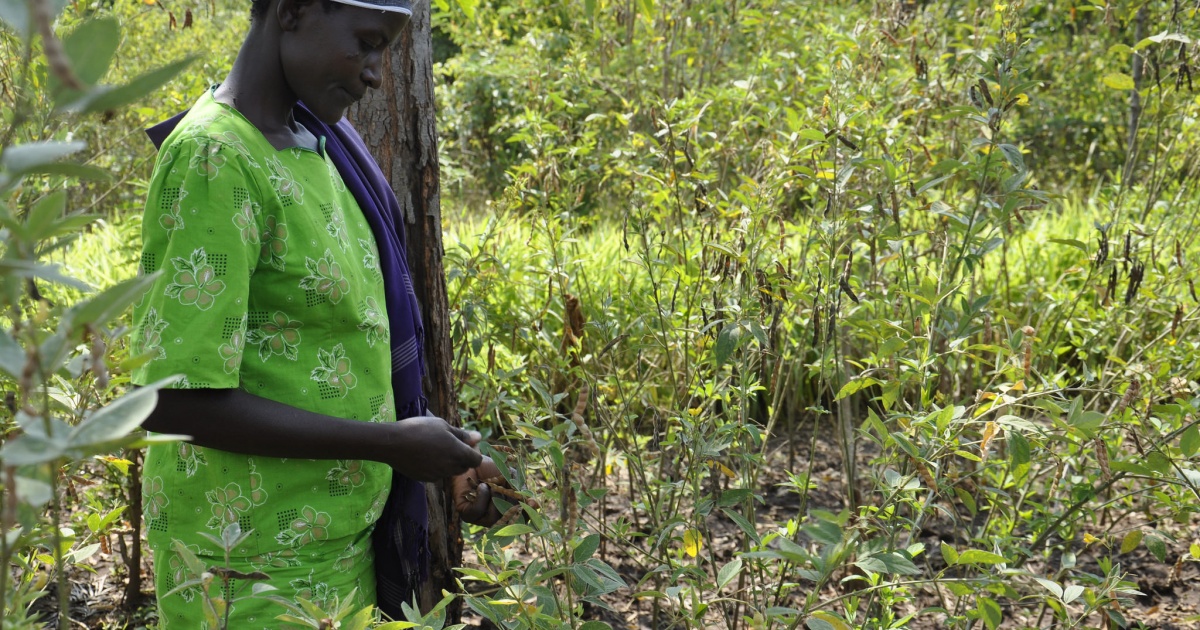
Climate-Smart Agriculture is all about transforming farming practices to tackle the pressing challenges of climate change while ensuring food security. By integrating sustainable techniques into agricultural systems, this approach not only helps farmers adapt to changing weather patterns but also promotes environmental conservation.
This method encompasses a range of innovative practices designed to enhance productivity, resilience, and sustainability. With its focus on the interconnections between agriculture and climate change, Climate-Smart Agriculture aims to create a balanced ecosystem that benefits farmers, consumers, and the planet.
Introduction to Climate-Smart Agriculture
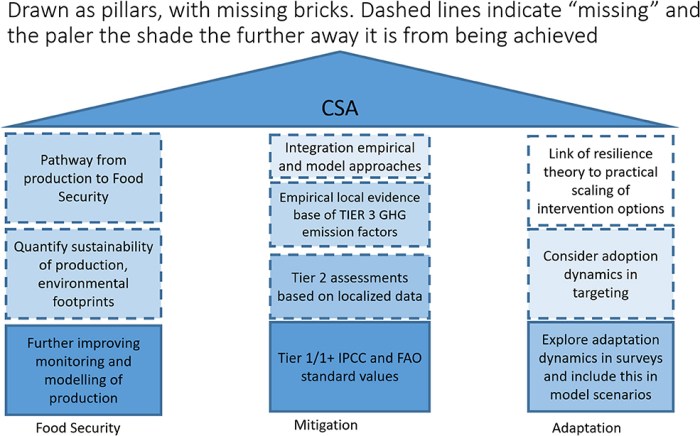
Climate-Smart Agriculture (CSA) is an innovative approach to farming that aims to enhance agricultural productivity while addressing the challenges posed by climate change. With growing concerns about food security and environmental sustainability, CSA has emerged as a critical strategy for farmers, policymakers, and environmental advocates alike. This method integrates sustainable practices that not only improve crop yields but also reduce greenhouse gas emissions and enhance resilience to climate impacts.The principles of Climate-Smart Agriculture focus on three main goals: increasing productivity sustainably, adapting and building resilience to climate change, and reducing greenhouse gas emissions from agricultural practices.
By implementing CSA techniques, farmers can optimize resource use, improve soil health, and foster biodiversity, creating a more sustainable agricultural system. The role of CSA in combating climate change is vital, as it enables farmers to transform their operations in a way that contributes to global efforts to mitigate climate impacts while ensuring food security for future generations.
Key Principles of Climate-Smart Agriculture
The implementation of Climate-Smart Agriculture is guided by several key principles that facilitate its effectiveness in achieving sustainability and resilience. Understanding these principles is essential for farmers and stakeholders involved in agricultural production.
- Resource Efficiency: CSA promotes the efficient use of resources such as water, soil, and nutrients, thereby minimizing waste and enhancing productivity.
- Diversity in Cropping Systems: A diverse range of crops improves resilience against pests, diseases, and climate variability, ultimately leading to a more robust agricultural ecosystem.
- Soil Health Management: Practices that enhance soil organic matter and fertility, such as cover cropping and reduced tillage, are central to CSA, as healthy soils are critical for sustaining productivity.
- Integrated Pest Management: CSA encourages the use of ecologically-based pest control methods, reducing dependency on chemical pesticides and enhancing biodiversity.
The importance of these principles cannot be overstated. By focusing on resource efficiency, farmers can reduce input costs and increase yields while minimizing their environmental footprint. Emphasizing diversity in cropping systems not only supports ecological balance but also provides farmers with a safety net against market and climate fluctuations. Maintaining soil health is foundational for long-term agricultural productivity, and integrated pest management fosters a more sustainable approach to controlling agricultural pests.
“Climate-Smart Agriculture provides a framework for transforming agricultural systems to meet the dual challenge of food security and climate resilience.”
The role of Climate-Smart Agriculture in addressing climate change challenges extends beyond individual farms; it has implications for regional and global food systems. By adopting CSA practices, farmers can contribute to reducing emissions from agriculture, which accounts for a significant percentage of global greenhouse gas output. This collective effort is crucial in striving towards climate goals while ensuring that food production can meet the demands of a growing population.
Key Practices of Climate-Smart Agriculture
Climate-Smart Agriculture (CSA) focuses on optimizing agricultural practices to increase productivity while reducing greenhouse gas emissions and enhancing resilience to climate change. By implementing various key practices, farmers can contribute to food security and sustainable development, even in the face of climate variability.The essence of CSA lies in its diverse set of practices that can be tailored to different farming systems and environments.
These practices aim to improve soil health, increase efficiency in water use, and enhance biodiversity, all while ensuring economic viability for farmers. Below are several key practices and their applications across various farming systems.
Agroecological Practices
Agroecological practices emphasize sustainable farming by integrating ecological principles into agricultural production. These include crop rotation, intercropping, and agroforestry.
- Crop Rotation: This involves alternating different crops in the same field across seasons. For example, a farmer may plant legumes one season to enrich soil nitrogen levels and follow with a cereal crop the next season. This practice helps break pest cycles and improves soil fertility.
- Intercropping: Growing two or more crops simultaneously in the same field can enhance biodiversity and reduce crop failure risks. For instance, planting maize with beans allows the maize to provide support for the beans, while the beans fix nitrogen in the soil, benefiting both crops.
- Agroforestry: Integrating trees and shrubs into crop and livestock systems can enhance biodiversity, improve soil structure, and provide additional income sources. An example is planting fruit trees alongside cash crops, which can yield fruits while simultaneously protecting the soil.
Soil Management Techniques
Managing soil health is crucial for sustainable agriculture. Practices like conservation tillage and organic amendments play a significant role.
- Conservation Tillage: This reduces soil disturbance and maintains soil structure. For example, no-till farming can enhance water retention and reduce erosion, making it particularly suitable for regions with variable rainfall.
- Organic Amendments: Applying compost or manure can improve soil fertility and structure. Farmers in many regions utilize these amendments to boost crop yields while minimizing chemical inputs, enhancing both soil health and food quality.
Water Conservation Strategies
Efficient water use is vital in climate-smart agriculture, especially in areas prone to drought. Techniques such as rainwater harvesting and drip irrigation can significantly improve water efficiency.
- Rainwater Harvesting: Collecting and storing rainwater can provide a supplementary water source for irrigation. This practice is particularly effective in arid regions, where traditional irrigation may be infeasible.
- Drip Irrigation: This technology delivers water directly to the plant roots, minimizing evaporation and runoff. For instance, many vegetable farmers are adopting drip irrigation systems to ensure efficient water use and higher crop yields.
Use of Innovative Technologies
Innovative technologies are shaping the future of climate-smart agriculture by providing tools that enhance decision-making and optimize yields.
- Precision Agriculture: Utilizing GPS and data analytics helps farmers apply water, fertilizers, and pesticides more efficiently. A case in point is the use of drones for monitoring crop health, allowing farmers to focus their efforts where needed most.
- Climate-Smart Crop Varieties: Breeding crops that are more resilient to climate stresses, such as drought or pests, can significantly improve food security. An example is the development of drought-resistant maize varieties that thrive under less-than-ideal conditions.
“By integrating these practices, farmers can enhance productivity while contributing to climate resilience, making a profound impact on both local and global food systems.”
Benefits of Climate-Smart Agriculture
Adopting Climate-Smart Agriculture (CSA) brings a multitude of benefits that extend beyond merely increasing crop yields. This farm management approach effectively addresses the challenges posed by climate change while enhancing productivity and improving livelihoods. The benefits of CSA can be classified into three main categories: environmental, economic, and social.
Environmental Benefits
Climate-Smart Agriculture practices contribute significantly to environmental sustainability. They promote the conservation of natural resources and the reduction of greenhouse gas emissions. Key environmental benefits include:
- Soil Health Improvement: CSA promotes practices such as crop rotation, cover cropping, and minimal tillage, which enhance soil structure and fertility. Healthy soils can retain more carbon, helping to mitigate climate change.
- Biodiversity Enhancement: By encouraging diverse cropping systems and organic farming methods, CSA fosters biodiversity both above and below ground, promoting a more resilient ecosystem.
- Water Conservation: Techniques such as rainwater harvesting and efficient irrigation methods reduce water wastage, ensuring that crops receive optimal moisture while preserving water resources.
Economic Benefits
The economic advantages of CSA translate into improved profitability and resilience for farmers. The shift towards climate-smart practices can lead to:
- Increased Yields: CSA practices often result in higher crop yields due to improved soil health and pest management. For example, farmers in Kenya adopted integrated soil fertility management, resulting in yield increases of up to 200%.
- Market Access: Sustainable farming practices can open new markets for farmers as consumers increasingly prefer sustainably produced goods.
- Cost Reduction: Efficient resource use, such as reduced fertilizer and pesticide dependence, can lower production costs for farmers, enhancing overall profit margins.
Social Benefits
The social implications of Climate-Smart Agriculture are profound, impacting community well-being and food security. Key social benefits include:
- Enhanced Food Security: By increasing productivity sustainably, CSA helps secure food sources for vulnerable populations, reducing hunger and malnutrition.
- Empowerment of Farmers: CSA encourages farmer participation in decision-making and promotes knowledge sharing, leading to stronger community ties and empowerment.
- Improved Livelihoods: With increased income opportunities, farmers can invest in their families’ education and health, contributing to overall community development.
Comparative Analysis with Traditional Agriculture
When comparing Climate-Smart Agriculture with traditional practices, several distinctions become apparent. Traditional agriculture often relies heavily on chemical inputs, leading to soil degradation and reduced biodiversity. In contrast, CSA emphasizes sustainable practices that build resilience against climate change. The following points illustrate the differences:
- Input Dependency: Traditional agriculture often requires synthetic fertilizers and pesticides, while CSA promotes organic inputs and natural pest control methods.
- Resilience to Climate Events: CSA practices contribute to stronger ecosystems that can withstand extreme weather, unlike conventional methods that can lead to higher vulnerability.
- Long-term Sustainability: CSA is designed for sustainable productivity over time, while traditional practices may lead to short-term gains at the expense of future viability.
Success Stories and Case Studies
Numerous regions around the world have successfully implemented Climate-Smart Agriculture, leading to remarkable outcomes. A few notable examples include:
- Honduras: Farmers in Honduras embraced agroforestry and integrated pest management, resulting in a 30% increase in coffee yields while reducing pesticide use.
- India: The System of Rice Intensification (SRI) method has been adopted in various states, leading to yield increases of 20-50% while using 40% less water compared to traditional methods.
- Sub-Saharan Africa: Various projects have demonstrated that CSA practices like conservation agriculture can significantly improve soil health and productivity, positively impacting thousands of smallholder farmers.
Challenges and Barriers to Adoption
Adopting Climate-Smart Agriculture (CSA) isn’t just about understanding its benefits; it’s also about navigating the hurdles that come with implementing these practices. Farmers face various challenges that can impede their transition to CSA. By identifying these challenges, we can work towards solutions that facilitate the adoption of these essential agricultural practices.One of the main barriers to adopting Climate-Smart Agriculture lies in the economic, technical, and policy realms.
Farmers often encounter financial constraints that limit their ability to invest in new technologies or practices. Additionally, a lack of technical knowledge and support can deter farmers from implementing CSA practices effectively. Lastly, inadequate policies and regulatory frameworks can create uncertainties that hinder adoption efforts.
Economic Barriers to Adoption
Financial limitations are a significant obstacle when it comes to adopting Climate-Smart Agriculture. Many farmers operate on thin profit margins, making it difficult to allocate funds for new practices. The cost of implementing CSA practices can be high, especially for smallholder farmers.
High Initial Costs
Transitioning to Climate-Smart practices often requires upfront investment in new seeds, equipment, or technologies. This can be prohibitive for many farmers.
Limited Access to Credit
Many farmers lack access to financial services that could help them finance the transition to CSA, making it harder to manage these upfront costs.
Uncertain Returns
The benefits of CSA may take time to materialize, leading to hesitance among farmers who need immediate returns on their investments.
Technical Barriers to Implementation
The technical knowledge required to adopt Climate-Smart practices can be a major challenge for many farmers. Without the right understanding, the effective implementation of these practices is nearly impossible.
Lack of Knowledge and Training
Farmers may not have access to training programs that teach them about CSA practices. This gap in knowledge can lead to ineffective implementation.
Limited Access to Technology
In many regions, the required technologies for CSA are not readily available. Even when available, farmers might lack the skills to utilize them effectively.
Inadequate Support Services
Extension services that could provide guidance and support are often underfunded or not readily available.
Policy-Related Barriers to Adoption
The role of government and policies is critical in facilitating or hindering the adoption of Climate-Smart Agriculture. Policy frameworks that do not support CSA can create significant barriers.
Inconsistent Policies
Frequent changes in agricultural policies can create uncertainty, making farmers hesitant to adopt new practices.
Lack of Incentives
Without government incentives or subsidies to encourage the adoption of CSA practices, farmers may be less motivated to make the shift.
Poor Infrastructure
Insufficient infrastructure can limit farmers’ ability to access markets for their CSA products, reducing the attractiveness of implementing these practices.To overcome these challenges, a multifaceted approach is essential. Providing financial assistance, improving access to training and technology, and establishing supportive policies can significantly enhance the adoption of Climate-Smart Agriculture. Collaborative efforts among governments, NGOs, and the private sector are crucial in creating an enabling environment that encourages farmers to embrace these sustainable practices.
Policy Framework and Support
Effective policies play a crucial role in driving the adoption of Climate-Smart Agriculture (CSA) by creating an enabling environment for farmers and agricultural stakeholders. These policies help prioritize climate resilience, boost productivity, and reduce greenhouse gas emissions, making agriculture more sustainable. Establishing a robust policy framework is essential for aligning public and private investments, ensuring equitable access to resources, and fostering innovation in agricultural practices.The landscape of policies and programs supporting CSA is diverse and continues to evolve.
Governments and institutions worldwide have implemented various strategies to facilitate the transition toward climate-smart practices, acknowledging the urgent need for sustainable food systems.
Current Policies and Programs Supporting Climate-Smart Practices
Numerous policies exist globally that specifically aim to enhance the adoption of CSA. These policies encompass financial incentives, research funding, and capacity-building initiatives. Here are some notable examples:
- Subsidies and Grants: Many governments provide financial incentives to farmers who adopt CSA practices, such as cover cropping, agroforestry, and precision farming. These subsidies help reduce the upfront costs associated with transitioning to sustainable methods.
- Research and Development Programs: Investments in research initiatives focused on climate resilience help develop innovative agricultural techniques and crop varieties. For instance, the CGIAR research centers work on improving staple crops to withstand climate stressors.
- Extension Services: Agricultural extension services play a vital role in educating farmers about CSA practices. Programs that train extension workers to deliver practical, localized knowledge empower communities to implement sustainable practices effectively.
- Climate Adaptation Funds: Several nations and organizations have established funds specifically designed to support climate adaptation in agriculture. These funds assist farmers in implementing measures that enhance resilience to climate change impacts.
Governments and institutions are instrumental in facilitating CSA initiatives through various mechanisms. Their roles include developing and enforcing regulations that promote sustainable practices, providing technical support to farmers, and fostering partnerships between public and private stakeholders. By coordinating efforts across sectors, they help create a synergy that amplifies the positive impact of CSA practices.
“Policies that encourage sustainable agricultural practices not only support food security but also protect our planet’s resources for future generations.”
Future of Climate-Smart Agriculture
As the world grapples with the pressing challenges of climate change, the future of Climate-Smart Agriculture (CSA) is increasingly pivotal. This approach not only seeks to enhance food security but also aims to sustainably increase productivity while reducing greenhouse gas emissions. As we look forward, several trends and technological advancements are anticipated to shape the landscape of CSA.One major trend is the integration of advanced technologies such as precision agriculture, which uses data-driven techniques to optimize farming practices.
This technological shift allows farmers to make informed decisions based on real-time data, thus maximizing efficiency and minimizing environmental impact.
Advancements in Agricultural Technology
The evolution of technology within agriculture holds great promise for enhancing Climate-Smart practices. Technologies such as drones, artificial intelligence, and IoT (Internet of Things) devices are increasingly being utilized in farming operations. Here are some significant advancements:
- Drones and Aerial Imaging: Drones equipped with sensors can monitor crop health, assess soil conditions, and even apply inputs more precisely. This reduces waste and increases yields.
- Soil Sensors: These sensors provide real-time data on soil moisture levels and nutrient content, allowing farmers to optimize irrigation and fertilization schedules based on actual plant needs.
- Climate Modelling Software: Predictive analytics can help farmers anticipate weather patterns and climate impacts, enabling them to adjust farming practices accordingly.
- Biotechnology: Crop varieties that are genetically engineered for resilience to climate stressors, such as drought or pest resistance, can significantly enhance food security in changing climates.
The integration of these technologies not only aids in efficient resource management but also supports sustainable practices that align with the principles of CSA.
Evolving Relationship Between Agriculture and Climate Change Adaptation
The relationship between agriculture and climate change is becoming more intertwined, with CSA playing a crucial role in adaptation strategies. Farmers are increasingly recognizing the need to adapt their practices in response to climatic changes. This evolving relationship is characterized by the following aspects:
- Resilience Building: Adopting CSA practices helps build the resilience of farming systems against climate variability, ensuring that food production can continue even under adverse conditions.
- Policy Integration: Governments and organizations are beginning to incorporate CSA into broader climate policies, recognizing the need for a comprehensive approach to food security and climate resilience.
- Community Engagement: There is a growing emphasis on involving local communities in climate adaptation discussions, empowering farmers to share traditional knowledge alongside new technologies for sustainable practices.
As the agricultural sector continues to adapt to the realities of climate change, the emphasis on Climate-Smart Agriculture will be essential in ensuring sustainable food systems for future generations.
Conclusive Thoughts
In summary, embracing Climate-Smart Agriculture is crucial for a sustainable future in farming. As we face the realities of climate change, adopting these practices offers a pathway for farmers to thrive while also protecting our natural resources. Together, we can cultivate a resilient agricultural sector that meets today’s needs without compromising the future.
FAQ Summary
What is Climate-Smart Agriculture?
Climate-Smart Agriculture refers to agricultural practices that increase productivity sustainably while adapting to and mitigating climate change effects.
How can farmers implement Climate-Smart practices?
Farmers can adopt practices such as crop rotation, agroforestry, and efficient water management to enhance resilience and productivity.
What are the economic benefits of Climate-Smart Agriculture?
Implementing Climate-Smart practices can lead to reduced costs, increased crop yields, and better market access, enhancing farmers’ livelihoods.
What role do governments play in Climate-Smart Agriculture?
Governments provide essential policies, funding, and support programs to facilitate the adoption of Climate-Smart practices among farmers.
Are there any success stories of Climate-Smart Agriculture?
Yes, regions like East Africa have seen improved crop yields and resilience through the adoption of Climate-Smart Agricultural techniques.


