
Innovations in chemical recycling methods to process waste materials into usable products. This fascinating field is reshaping how we think about waste management and sustainability. By turning discarded materials into valuable resources, chemical recycling offers a promising solution to environmental challenges that traditional recycling methods struggle to address.
The importance of these innovations cannot be overstated, as they can significantly reduce the environmental footprint of waste and contribute to a circular economy. From breaking down plastics to creating energy through advanced technologies, the potential of chemical recycling is vast and growing.
Introduction to Chemical Recycling Methods
Chemical recycling is a revolutionary approach to waste management that transforms discarded materials back into their original monomers or other usable products, significantly differing from traditional recycling methods. This process not only helps reduce the volume of waste sent to landfills but also conserves resources, as it allows materials to be reused in their virgin form. As the world grapples with increasing waste generation, especially from plastics, understanding and implementing chemical recycling is essential for sustainable waste management practices.Traditional recycling methods, such as mechanical recycling, often degrade the quality of materials and limit their reuse potential.
In contrast, chemical recycling effectively breaks down complex polymers into simpler molecules, enabling the recovery of high-quality raw materials. This shift in approach presents a promising solution to the challenges posed by single-use plastics and other synthetic materials that are difficult to recycle through conventional means. By embracing innovative chemical recycling technologies, we can reduce environmental impact and foster a circular economy.
Key Innovations in Chemical Recycling Technologies
Recent advancements in chemical recycling technologies have paved the way for more efficient and effective processes. These innovations are crucial in addressing the limitations of traditional recycling. The following highlights some of the most significant breakthroughs in this field:
- Pyrolysis: This thermochemical process involves heating organic materials in the absence of oxygen to convert them into oil, gas, and char. Pyrolysis can process a wide variety of waste materials, including plastics and rubber, into valuable resources.
- Gasification: Similar to pyrolysis, gasification converts organic materials into syngas by applying heat and limited oxygen. This syngas can then be used to produce electricity or as a feedstock for chemical synthesis.
- Depolymerization: This innovative method involves breaking down polymers into their original monomer units. Recent advancements enable the selective depolymerization of plastics, which can be reformed into new, high-quality products.
- Enzymatic Recycling: This cutting-edge technique employs enzymes to break down plastics into their constituent monomers. Enzymatic recycling is particularly valuable for PET plastics, offering a more sustainable alternative to traditional methods.
- Solvolysis: In this process, solvents are used to dissolve plastics, leading to their breakdown into reusable chemicals. Solvolysis has shown promise in effectively recycling complex plastic mixtures that are typically challenging to process.
These innovations not only enhance the feasibility of chemical recycling but also contribute to reducing greenhouse gas emissions, energy consumption, and reliance on fossil fuels. As the technology continues to evolve, the potential for integrating chemical recycling into mainstream waste management practices increases, making it a cornerstone of sustainable development efforts.
Types of Chemical Recycling Processes
Chemical recycling represents a revolutionary approach to waste management, allowing for the transformation of end-of-life materials into valuable resources. By utilizing various chemical processes, we can convert plastics and other waste into fuels, chemicals, and raw materials, significantly reducing the environmental footprint of waste disposal. In this section, we will explore the different types of chemical recycling processes, including pyrolysis, gasification, and depolymerization, focusing on their functionalities and applications.
Pyrolysis
Pyrolysis involves the thermal decomposition of organic materials at elevated temperatures in the absence of oxygen. This process breaks down complex polymers into smaller molecules, resulting in liquid oils, gases, and char.
Materials Processed
Common materials suitable for pyrolysis include polyethylene, polystyrene, and rubber products.
Example
Many companies are now using pyrolysis to convert plastic waste into synthetic crude oil, which can then be refined into fuels.
Gasification
Gasification is a process that converts organic or fossil-based materials into carbon monoxide, hydrogen, and carbon dioxide. This process occurs at high temperatures with a controlled amount of oxygen or steam, creating a syngas that can be utilized for energy production or as a feedstock for chemical synthesis.
Materials Processed
Suitable materials include biomass, coal, and various types of plastics.
Example
The gasification of municipal solid waste can produce syngas, which is subsequently used to generate electricity or create chemicals.
Depolymerization
Depolymerization refers to the chemical breakdown of polymers into their monomeric units. This method is particularly valuable for recycling thermosetting and thermoplastic materials, allowing for the recovery of base chemicals.
Materials Processed
This technique is commonly used for polyester and polyamide materials, such as PET from plastic bottles.
Example
Companies are employing enzymatic depolymerization of PET to recover purified terephthalic acid and ethylene glycol for reuse in new products.
Advantages and Disadvantages Table
The following table Artikels the advantages and disadvantages of each chemical recycling method, providing insights into their respective efficiencies and limitations.
| Method | Advantages | Disadvantages |
|---|---|---|
| Pyrolysis |
|
|
| Gasification |
|
|
| Depolymerization |
|
|
Innovations in Pyrolysis Technology
Recent advancements in pyrolysis technology have significantly enhanced the process of converting various waste materials into valuable products. Pyrolysis, a thermochemical decomposition of organic material at elevated temperatures in the absence of oxygen, has seen innovations that improve efficiency, scalability, and the quality of the end products. This section delves into the latest developments in pyrolysis technology, highlighting successful projects and discussing the effectiveness of these innovations.
Recent Advances in Pyrolysis Technology
Innovations in pyrolysis technology focus on improving the efficiency of the process and expanding its applicability to a wider range of waste materials. For instance, the integration of advanced reactor designs, such as continuous-feed systems, has optimized the thermal decomposition of feedstock. These systems enhance heat transfer and ensure more uniform temperature distribution, which is crucial for maximizing yields.Moreover, the introduction of catalysts in pyrolysis reactors has been shown to promote the breakdown of complex polymers into simpler hydrocarbons.
This not only increases the quantity of oil produced but also improves the quality, making it more suitable for further refining. A notable example is the development of the “Biofabrik WASTX” system, which utilizes modular pyrolysis units to convert plastic waste into synthetic crude oil and carbon black. Each unit can process up to 1000 kg of waste per day and is designed to be easily deployable in various locations.
Successful Pyrolysis Projects
Several projects around the world have successfully implemented pyrolysis technology, demonstrating its effectiveness in waste management and resource recovery.
Agilyx
This company has pioneered a system that converts post-consumer plastics into high-quality synthetic crude oil. Their facility in Oregon processes 10 tons of plastic per day, generating a product that can be refined into fuels and other chemicals, showcasing the commercial viability of pyrolysis for managing plastic waste.
Plastic Energy
Operating in Spain and the UK, Plastic Energy has developed a patented technology that converts end-of-life plastics into valuable oil products. Their plants are capable of processing approximately 30,000 tons of plastic waste annually, significantly reducing landfill burden while producing high-value outputs.
Greenback Recycling Technologies
This organization has focused on creating a decentralized model for pyrolysis, where small-scale units are integrated into communities. By processing locally sourced waste, they reduce transportation emissions and provide valuable products for local markets.
Efficiency and Scalability of New Pyrolysis Technologies
The recent innovations in pyrolysis technology have also focused on improving the overall efficiency and scalability of these systems. Modern pyrolysis units are designed to be more compact and energy-efficient, allowing for easier integration into existing waste management infrastructures.
Energy Recovery
New pyrolysis technologies maximize energy recovery from waste materials, often achieving overall energy efficiencies exceeding 80%. This is particularly important as energy inputs can significantly impact operational costs.
Modular Systems
The shift towards modular pyrolysis systems enables scalability; operators can start with a single unit and expand capacity as demand grows. This approach minimizes initial investment risks and allows for flexibility in adapting to local waste generation rates.
Automation and Process Control
Advanced automation and process control technologies enable real-time monitoring and optimization. This leads to enhanced operational performance and reduced downtime, further contributing to the economic viability of pyrolysis plants.As the world seeks effective solutions for waste management, these innovations in pyrolysis technology are paving the way for a more sustainable future by transforming waste streams into valuable resources.
Gasification as a Solution for Waste Management
Gasification is an innovative thermal process that converts organic or fossil-based materials into carbon monoxide, hydrogen, and carbon dioxide. This process serves as a critical component in the realm of chemical recycling, offering a method to manage waste effectively while generating valuable energy. By breaking down complex waste materials at high temperatures in a controlled environment, gasification reduces the volume of waste and produces synthetic gas (syngas), which can be utilized for energy production or as a feedstock for chemicals.The gasification process involves several stages, starting with the heating of waste materials in a low-oxygen environment.
This results in the thermal decomposition of the materials, producing syngas, along with solid residues like ash. The key advantage of gasification over traditional waste management methods, such as incineration and landfill, lies in its ability to generate higher quality energy outputs and produce less harmful emissions.
Comparison with Other Waste Processing Methods
Understanding the efficiency and benefits of gasification requires comparing it with other waste processing methods, particularly in terms of energy output and product quality.Gasification provides several advantages:
- Energy Efficiency: Gasification yields a higher thermal efficiency compared to incineration, often achieving energy conversion efficiencies exceeding 80%. This means more energy can be harnessed from the same amount of waste material.
- Product Quality: The syngas produced from gasification is cleaner and more versatile than the outputs from incineration, allowing for its use in various applications including electricity generation, fuel synthesis, and chemical production.
- Reduction of Harmful Emissions: Gasification operates at lower temperatures and in a controlled environment, resulting in significantly reduced emissions of dioxins and particulate matter compared to traditional incineration methods.
In contrast, landfill methods simply bury waste, leading to land use issues and potential soil and water contamination. Incineration can produce energy but often at the cost of harmful emissions, highlighting the need for cleaner alternatives.
Recent Innovations in Gasification Systems
The field of gasification is rapidly evolving, with recent innovations aimed at enhancing efficiency, scalability, and sustainability. These innovations are crucial in addressing the increasing global waste challenge.Notable advancements include:
- Modular Gasification Systems: New designs allow for smaller, modular gasification units that can be deployed in various locations. These systems are more adaptable to different waste streams and can be integrated into local waste management strategies.
- Integrated Gasification Combined Cycle (IGCC): This technology combines gasification with combined cycle power generation to improve overall efficiency, producing electricity from both the syngas and the residual heat.
- Advanced Catalysts: Research into new catalytic materials enhances the conversion efficiency of syngas into valuable products like biofuels and chemicals, making the process more economically viable.
Incorporating these innovations has the potential to make gasification a cornerstone technology in sustainable waste management, turning challenges into opportunities by converting waste into a resource.
The Role of Depolymerization in Recycling
Depolymerization is a crucial process in the realm of chemical recycling, particularly for plastics. It involves breaking down polymers into their monomeric units, allowing for the recovery of valuable raw materials that can be reused in the production of new plastic products. This process not only helps divert plastic waste from landfills but also contributes to a more sustainable recycling ecosystem.Depolymerization can be achieved through various methods, including thermal, catalytic, and enzymatic processes.
Each method offers unique advantages depending on the type of plastic being recycled. For example, thermal depolymerization utilizes heat to break down materials, while catalytic depolymerization employs catalysts to lower the temperature required for the reaction, thereby improving energy efficiency. The significance of depolymerization cannot be overstated, as it enables the transformation of difficult-to-recycle plastics into valuable feedstocks that can re-enter the production cycle.
Advancements in Catalysts and Techniques
Recent innovations in catalyst development have significantly enhanced the efficiency of depolymerization processes. These advancements focus on improving reaction rates, selectivity, and operational conditions. Some of the notable innovations include:
Metal-Organic Frameworks (MOFs)
These are highly porous materials that can enhance catalytic activity by providing a larger surface area for reactions to occur. Their tunable structures allow for customization according to specific polymer types.
Biocatalysts
Enzymatic depolymerization has gained traction due to its environmental benefits. New enzymes have been engineered to target specific plastics, enabling efficient breakdown at lower temperatures and pressures.
Nano-catalysts
The use of nanotechnology in catalysis has led to increased reaction efficiency and reduced catalyst deactivation, making the depolymerization process more viable on an industrial scale.The combination of these advancements allows for a more streamlined and effective recycling process, ultimately leading to the creation of a circular economy.
Key benefits of depolymerization include increased recycling rates, reduced reliance on virgin materials, and the potential to turn waste into high-quality products, thereby promoting sustainability.
Challenges and Barriers to Implementation
The journey towards widespread adoption of chemical recycling methods is fraught with challenges that hinder progress and innovation. As promising as these technologies are, several obstacles must be addressed to unlock their full potential in transforming waste materials into valuable products. This section delves into the various challenges faced in the implementation of chemical recycling processes and highlights the regulatory and economic barriers that impact innovation in the field.
Common Challenges in Implementing Chemical Recycling
Implementing chemical recycling methods faces a range of practical challenges that can impede their effectiveness and scalability. These challenges include technological limitations, feedstock availability, and public perception.
- Technological Limitations: Many chemical recycling technologies are still in the developmental phase, requiring significant advancements before they can operate efficiently at a commercial scale.
- Feedstock Availability: Sourcing suitable waste materials for chemical recycling can be inconsistent. Variability in waste composition can complicate processing and affect product quality.
- Public Perception: Misunderstandings about chemical recycling may lead to resistance in communities where facilities are proposed. Education and outreach are necessary to shift public opinion positively.
Regulatory and Economic Barriers
The regulatory environment surrounding chemical recycling plays a crucial role in either facilitating or hindering advancements in the field. Regulations can vary significantly across regions, often leading to uncertainty for investors and developers.
- Complex Regulatory Frameworks: Navigating the myriad of regulations concerning waste management, environmental protection, and chemical safety can be daunting for companies looking to establish chemical recycling operations.
- Funding and Investment Challenges: High initial capital costs for setting up chemical recycling facilities can deter investment. The economic viability of these projects is often uncertain, leading to a reluctance from investors.
- Market Demand Fluctuations: The demand for recycled materials can be unpredictable, affecting the financial sustainability of recycling operations. Companies must anticipate market trends to remain competitive.
Strategies to Overcome Challenges
To promote wider adoption of chemical recycling technologies, it is essential to develop strategies that address the aforementioned challenges effectively. Collaborative efforts among stakeholders can play a key role in this process.
- Investment in R&D: Increasing funding for research and development can help advance chemical recycling technologies, making them more efficient and cost-effective.
- Policy Advocacy: Engaging with policymakers to create supportive regulations and incentives can foster a more conducive environment for chemical recycling initiatives.
- Public Education Campaigns: Providing clear information about the benefits of chemical recycling can help shift public perception and increase community support for new facilities.
Overcoming the barriers to chemical recycling requires a concerted effort from industry, government, and communities to build a more sustainable future.
Future Perspectives on Chemical Recycling
The future of chemical recycling looks promising, with several trends and advancements on the horizon that could significantly enhance waste management and sustainability. As environmental concerns grow and the demand for effective recycling solutions increases, the evolution of chemical recycling techniques is set to play a crucial role in transforming waste into valuable resources.Innovation in chemical recycling is heavily dependent on research and development (R&D).
Ongoing investments in R&D facilitate breakthroughs in various technologies, making them more efficient and cost-effective. The shift towards a circular economy is driving these advancements, as industries recognize the necessity to minimize waste and maximize resource usage. By developing new catalysts, optimizing processes, and integrating renewable energy sources, the potential for chemical recycling can be greatly expanded.
Collaborative Partnerships Enhancing Chemical Recycling Efforts
Strategic partnerships among various industries can significantly bolster chemical recycling initiatives. Such collaborations can provide the necessary resources, technology, and expertise required to overcome existing challenges. Here’s a look at potential partnerships that could lead to enhanced chemical recycling outcomes:
- Plastics Manufacturers and Waste Management Companies: By collaborating on developing standardized processes for collecting and processing plastic waste, these entities can improve efficiencies in recycling.
- Chemical Companies and Research Institutions: Joint ventures in R&D can lead to innovative chemical recycling technologies and methods that are both sustainable and economically viable.
- Government Agencies and Environmental NGOs: Partnerships focused on policy-making and public education can create a supportive framework for implementing chemical recycling solutions on a larger scale.
- Energy Providers and Chemical Recycling Facilities: Collaborating on energy supply for recycling operations can enhance process efficiency, especially when integrating renewable energy sources.
- Automotive and Electronics Industries: Developing take-back programs and closed-loop recycling systems for their materials can significantly reduce waste and enhance recycling rates.
Research and development remain pivotal in driving these collaborative efforts. By pooling resources and knowledge, industries can work towards overcoming the technical and economic barriers that currently limit the effectiveness of chemical recycling. The integration of innovative technologies such as AI and machine learning into recycling processes can also lead to smarter operations and improved material recovery rates. The pathway forward for chemical recycling will likely involve a multi-faceted approach, embracing cutting-edge technologies while fostering collaboration among stakeholders.
In doing so, the industry can face the challenges ahead and create a sustainable future for waste materials.
Outcome Summary
In conclusion, the advancements in chemical recycling methods not only present a pathway to more effective waste management but also enhance the potential for creating usable products from what was once considered trash. As technology continues to evolve, so too will the opportunities for a sustainable future, urging industries and consumers alike to embrace these innovations for a greener tomorrow.
Detailed FAQs
What is chemical recycling?
Chemical recycling refers to processes that convert waste materials back into their original monomers or other usable chemicals, allowing for the potential reuse of materials.
How does chemical recycling differ from traditional recycling?
Traditional recycling typically involves mechanical processes that may degrade materials, while chemical recycling breaks materials down completely, enabling more comprehensive recycling.
Are there any environmental benefits to chemical recycling?
Yes, chemical recycling can reduce greenhouse gas emissions, decrease landfill use, and lower the demand for virgin materials, contributing to a healthier planet.
What types of materials can be processed through chemical recycling?
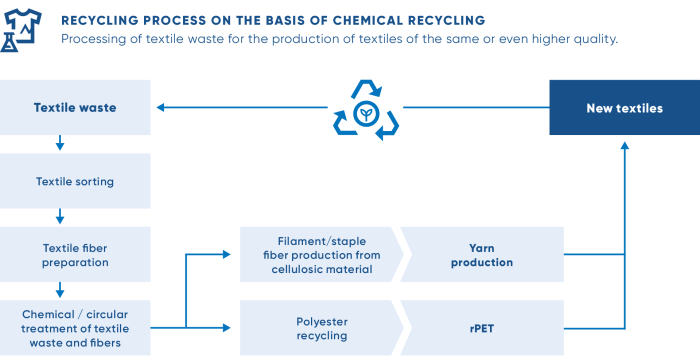
Common materials include plastics, rubber, and textiles, though advancements are continually expanding the range of recyclable items.
What challenges does chemical recycling face?
Challenges include high costs, regulatory hurdles, and the need for technological advancements to improve efficiency and scalability.


