
Explore the vibrant world of Ethnic Cuisine Ingredients Specialty ingredients used in traditional dishes from various cultures. This journey takes you beyond just flavors and aromas; it dives into the heart of cultural identities, where unique ingredients tell stories of heritage and traditions. From the fragrant spices of Asia to the rich oils of the Mediterranean, every dish has a history waiting to be uncovered.
Understanding these specialty ingredients not only enhances our cooking but also connects us to the diverse tapestry of culinary practices around the globe. Each culture employs its own distinctive flavors, with ingredients that are often deeply rooted in tradition, telling tales of the land and people who cultivate them.
Introduction to Ethnic Cuisine
Ethnic cuisine encompasses the traditional dishes and cooking methods that are unique to specific cultural or geographical groups. It is a reflection of the history, values, and lifestyle of the people who create and consume these foods, often passed down through generations. The significance of ethnic cuisine lies not just in the flavors and techniques but also in its role as a form of cultural expression and identity, bringing communities together through shared meals and culinary traditions.Ingredients are the backbone of ethnic cuisine, playing a crucial role in defining the character and authenticity of traditional dishes.
Each culture uses a unique set of ingredients that reflect the local environment, agricultural practices, and cultural preferences. For instance, spices, herbs, grains, and proteins used in recipes often tell a story of the land, climate, and even trade routes that influenced culinary practices. The use of specific ingredients can transform a simple dish into a cultural landmark, showcasing the rich diversity and heritage of a community.
Essential Ingredients in Traditional Ethnic Dishes
In exploring ethnic cuisines, one can identify a variety of essential ingredients that contribute to the distinctive taste and cultural significance of traditional dishes. Understanding these ingredients provides insight into the culinary practices and values of different cultures. Below are some key categories of ingredients commonly found in ethnic cuisines:
- Spices and Herbs: Spices like cumin, coriander, and saffron, alongside fresh herbs such as cilantro and basil, are pivotal in creating the flavor profiles of many dishes. For example, Indian cuisine heavily relies on a blend of spices known as garam masala, which is crucial for its curries.
- Grains and Legumes: Staples like rice, quinoa, and lentils form the base of many meals. In Middle Eastern cuisine, rice pilaf is a staple, often flavored with spices and nuts, showcasing the region’s culinary traditions.
- Proteins: Different cultures use various sources of protein, such as meat, fish, and plant-based options. For instance, Japanese cuisine often features fish and seafood, reflecting the country’s island geography and access to the sea.
- Fruits and Vegetables: Seasonal and local produce plays a significant role in ethnic dishes. Mediterranean cuisine, for example, embraces a wealth of vegetables like tomatoes, eggplants, and olives, which are integral to many classic recipes.
“Ethnic cuisine is a celebration of locality, identity, and the historical journey of people through their food.”
The careful selection and combination of these ingredients not only contribute to the flavor but also preserve the culinary heritage, making each dish a testament to the culture it represents. By appreciating these traditional ingredients, we can gain a deeper understanding of the diverse world of ethnic cuisine.
Specialty Ingredients in Asian Cuisines
Asian cuisines are renowned for their diverse and vibrant flavors, often attributed to the unique specialty ingredients that define them. In this exploration, we’ll delve into the specific ingredients that not only enhance the taste of traditional dishes but also provide various health benefits, making them integral to culinary practices in regions such as China, Japan, and Thailand.Many specialty ingredients in these cuisines are deeply rooted in cultural practices and local agriculture.
They contribute to the health benefits and flavor profiles that make Asian dishes so appealing. Each ingredient carries its own distinct characteristics and uses, from the umami of miso in Japan to the fragrant herbs of Thai cooking. Understanding these ingredients helps appreciate their significance in traditional recipes.
Unique Ingredients in Chinese, Japanese, and Thai Cuisines
The following list showcases some of the most notable specialty ingredients used in Chinese, Japanese, and Thai cuisines. Each ingredient is highlighted with its primary use in traditional dishes along with its health benefits and flavor profile.
| Ingredient | Cuisine | Usage in Dishes | Health Benefits | Flavor Profile |
|---|---|---|---|---|
| Five Spice Powder | Chinese | Used in braised meats, stir-fries, and marinades | Boosts digestion, anti-inflammatory properties | Sweet, aromatic, with hints of star anise and cloves |
| Shiitake Mushrooms | Japanese | Added to soups, stir-fries, and sushi | Rich in vitamins, supports immune health | Earthy, umami-rich flavor |
| Kaffir Lime Leaves | Thai | Used in curries and soups | Rich in antioxidants, aids digestion | Fragrant, citrusy flavor |
| Fermented Black Beans | Chinese | Common in stir-fried dishes and sauces | Supports gut health, high in protein | Salty, umami flavor |
| Miso | Japanese | Used in soups, dressings, and marinades | Rich in probiotics, boosts metabolism | Salty, complex, with a slightly sweet undertone |
| Thai Basil | Thai | Common in stir-fries and salads | Anti-inflammatory properties, rich in essential oils | Sweet, peppery, with a hint of anise |
These specialty ingredients not only bring distinctive flavors and health benefits to Asian culinary traditions but also embody the rich heritage and cultural significance of their respective cuisines. Integrating these ingredients into your cooking can elevate your dishes while also promoting a healthier lifestyle.
Specialty Ingredients in Mediterranean Cuisines
Mediterranean cuisine is celebrated for its vibrant flavors and emphasis on fresh, healthy ingredients. The core components, such as olive oil, herbs, and spices, are not only essential for taste but also hold cultural significance across various regions. These ingredients embody the essence of Mediterranean cooking, making it unique and cherished globally.The Mediterranean diet is lauded for its health benefits, and this is largely attributed to its specialty ingredients.
Olive oil, often referred to as “liquid gold,” is a staple that adds richness and depth to dishes while promoting heart health. Fresh herbs like basil, oregano, and thyme bring aromatic flavors, while spices such as cumin and coriander are crucial in middle Eastern dishes. Each ingredient plays a vital role in enhancing the flavors and nutritional value of traditional meals.
Key Ingredients and Their Cultural Significance
Understanding the role of specific ingredients in Italian, Greek, and Middle Eastern cuisines reveals much about their culinary traditions and cultures. Each region has developed its unique flavor profile, influenced by local ingredients and historical exchanges.
- Olive Oil: A fundamental ingredient, especially in Italian and Greek cooking, representing the Mediterranean lifestyle. It is used for dressing salads, drizzling over dishes, and as a primary cooking fat.
- Fresh Herbs: Herbs like parsley, dill, and basil are pivotal in Mediterranean dishes. They enhance flavor and bring freshness, highlighting regional variations in cooking styles.
- Spices: In Middle Eastern cuisine, spices such as saffron, cinnamon, and sumac are essential. They infuse dishes with warmth and complexity, showcasing the region’s rich spice trade history.
The following traditional dishes exemplify how these ingredients come together to create iconic Mediterranean meals:
- Italian Caprese Salad: A simple combination of tomatoes, mozzarella, and fresh basil drizzled with high-quality olive oil.
- Greek Tzatziki: A refreshing yogurt dip featuring cucumbers, garlic, and dill, often served with pita bread or grilled meats.
- Middle Eastern Hummus: A creamy blend of chickpeas, tahini, garlic, lemon juice, and olive oil, enjoyed as a dip or spread.
- Italian Pesto: A vibrant sauce made from basil, garlic, pine nuts, Parmesan cheese, and olive oil, often used with pasta.
- Greek Moussaka: A baked dish made with layers of eggplant, ground meat, and béchamel sauce, seasoned with spices and herbs.
- Middle Eastern Falafel: Deep-fried balls made from ground chickpeas and spices, served with tahini sauce and salad.
Specialty Ingredients in African Cuisines
African cuisine showcases a vibrant palette of flavors, textures, and aromas, reflecting the continent’s rich cultural diversity. Specialty ingredients play a crucial role in traditional dishes, influencing both the taste and nutritional value. Across various regions, distinct grains, spices, and vegetables contribute to the culinary identity of each culture, making African cuisine as varied as its people.A notable contrast exists between North African and Sub-Saharan cuisines, particularly in the types of grains and spices that dominate their dishes.
North African cooking often features ingredients that reflect its historical ties to trade routes and Mediterranean influences, while Sub-Saharan cuisines are characterized by local staples and indigenous flavors.
Unique Grains, Spices, and Vegetables
In Africa, grains and vegetables serve as the backbone of many meals. Here are some of the key ingredients that define African culinary traditions:
- Teff: A tiny, nutrient-rich grain primarily grown in Ethiopia, teff is the base for injera, a sourdough flatbread that accompanies many dishes.
- Fonio: Known as one of the oldest cultivated grains in Africa, fonio is gluten-free and has a nutty flavor, often used in salads or as a side dish.
- Couscous: In North Africa, this staple is made from semolina wheat and serves as a versatile base for stews and grilled meats.
- Berbere Spice: A staple in Ethiopian cuisine, this spice blend typically includes chili peppers, garlic, ginger, and various herbs, lending depth to dishes like doro wat (spicy chicken stew).
- Harissa: A chili paste from North Africa, harissa is made from roasted red peppers, spices, and herbs, often used to add heat and flavor to stews and couscous.
- Okra: Commonly used in many Sub-Saharan dishes, okra adds flavor and texture, particularly in dishes like gumbo and various soups.
The differences in ingredient use highlight the geographical and cultural diversity across the continent. For example, North African dishes often incorporate citrus fruits, olives, and a variety of nuts due to the Mediterranean climate, while Sub-Saharan dishes lean more towards root vegetables, greens, and legumes, emphasizing hearty and filling meals.
“Jollof rice is a quintessential West African dish, showcasing the region’s vibrant culinary diversity with its combination of rice, tomatoes, onions, and various spices, often served at celebrations and gatherings.”
Specialty Ingredients in Latin American Cuisines
Latin American cuisines are a vibrant tapestry woven from diverse cultures and histories, reflecting the rich traditions of indigenous peoples and the influences of colonization. Key ingredients such as corn, beans, and chilies form the backbone of numerous traditional dishes across the region, each carrying profound historical significance and culinary versatility. These staple ingredients not only provide flavor and sustenance but also tell a story of survival, adaptation, and cultural pride.Corn, known as maize, is more than just a food source; it is deeply embedded in the cultural and spiritual fabric of many indigenous communities.
In various Latin American countries, corn serves as the foundation for beloved dishes such as tortillas and tamales. Beans, another essential ingredient, are a primary source of protein and are commonly featured in stews and side dishes, showcasing the region’s agricultural richness. Chilies, with their wide array of flavors and heat levels, add both spice and depth to many recipes, highlighting the region’s love for bold tastes.
Key Ingredients and Their Cultural Significance
Understanding the role of these ingredients provides insight into the identities and traditions of Latin American cultures. Below is a table that showcases popular dishes along with their specialty ingredients, demonstrating how these elements come together to create cherished culinary experiences.
| Dish | Specialty Ingredients | Cultural Significance |
|---|---|---|
| Tacos | Corn tortillas, beans, assorted meats, chilies | A staple of Mexican street food, representing the fusion of indigenous and Spanish influences. |
| Feijoada | Black beans, assorted meats (beef and pork), spices | A traditional Brazilian stew reflecting the blend of African, Portuguese, and indigenous culinary practices. |
| Arepas | Corn flour, cheese, various fillings (meats, avocado) | Popular in Colombia and Venezuela, symbolizing regional diversity and the versatility of corn. |
| Chiles en Nogada | Chilies, meat filling, walnut sauce, pomegranate | A patriotic dish in Mexico, celebrating independence with its green, white, and red colors. |
| Empanadas | Corn flour or wheat dough, various fillings (meat, cheese, vegetables) | Common across the region, these pastries reflect the cultural exchange between indigenous and European culinary practices. |
“The ingredients of Latin American cuisine are a reflection of the land and its people, embodying a history rich with stories of resilience and innovation.”
Fusion of Ingredients in Contemporary Ethnic Cuisine
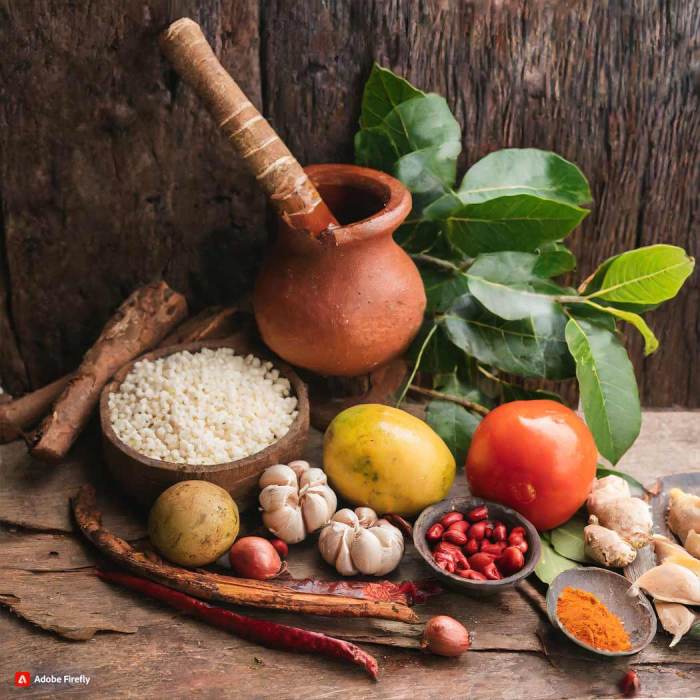
The culinary landscape today is a vibrant tapestry where traditional practices meet modern innovation. As chefs and home cooks explore the fusion of ethnic cuisines, traditional ingredients are being reimagined. This blend creates delightful dishes that reflect both heritage and contemporary tastes, making the culinary experience more diverse and exciting. Traditional ingredients are being adapted in various ways to fit modern culinary practices.
Chefs are increasingly incorporating ethnic ingredients into mainstream dishes, while also merging techniques and flavors from different cultures. This adaptation not only showcases culinary creativity but also enhances the accessibility of diverse flavors to a wider audience. The use of ingredients such as miso in dressings, harissa in marinades, or lemongrass in desserts displays how these traditional elements can elevate even the simplest dishes.
Examples of Fusion Dishes
There is a growing number of fusion dishes that highlight the inventive use of ethnic ingredients. These dishes signify a blend of cultures and culinary traditions, creating unique dining experiences. Here are some noteworthy examples:
- Korean Tacos: Combining the bold flavors of Korean BBQ with traditional taco elements, these tacos often feature marinated bulgogi beef topped with kimchi and sesame seeds.
- Sushi Burritos: A fusion of Japanese sushi and Mexican burritos, this dish wraps sushi ingredients like salmon, avocado, and rice in a seaweed wrap, served like a burrito.
- Indian Pizza: This dish fuses Indian spices and toppings, such as tandoori chicken or paneer, with a traditional pizza crust, often topped with cilantro and a drizzle of mint chutney.
- Thai Green Curry Risotto: A creative take on classic Italian risotto infused with green curry paste and coconut milk, topped with fresh herbs and vegetables typical of Thai cuisine.
The influence of globalization has significantly impacted the usage of traditional cuisine ingredients. As people travel more and cultures intermingle, there’s a greater exchange of culinary practices. The accessibility of international ingredients in local markets has allowed chefs to experiment with flavors that were once hard to find.
“Globalization has turned the world into a culinary melting pot where traditional recipes are transformed into new creations.”
This phenomenon not only fosters innovation but also encourages cultural appreciation through food. The blending of ingredients from diverse backgrounds allows for recipes that honor tradition while embracing modern culinary trends.
Regional Variations in Specialty Ingredients
Local climates and agricultural practices greatly influence the availability of specialty ingredients that define regional cuisines. These variations not only shape the local dishes but also reflect the cultural heritage and history of the area. Understanding these regional differences enhances appreciation for the diversity found in ethnic cuisines around the world.Agricultural practices, dictated by weather patterns, soil conditions, and proximity to natural resources, lead to distinct ingredients in coastal and inland cuisines.
Coastal areas often have access to fresh seafood and seaweed, while inland regions may rely more on grains, legumes, and locally grown vegetables. The resulting specialty ingredients inform traditional recipes, making each region’s cuisine unique and representative of its environment.
Specialty Ingredients by Region
The selection of ingredients varies significantly between different regions due to factors such as climate, soil type, and local farming traditions. Below is a list of regional ingredients along with their traditional applications in cooking:
- Seaweed (Nori, Kombu)
-Common in coastal Asian cuisines, used in sushi and broths for umami flavor. - Quinoa
-A staple in the Andean region of South America, often used as a base for salads and side dishes. - Olive Oil
-Predominantly used in Mediterranean cuisines, essential for dressings, marinades, and cooking. - Spices (Cumin, Turmeric)
-Fundamental in many African and Middle Eastern dishes, enhancing the flavor profile of stews and grains. - Corn
-A key ingredient in Latin American cooking, utilized in tortillas, tamales, and various dishes. - Herbs (Basil, Oregano)
-Essential in Mediterranean cooking, used in sauces, salads, and marinades for their aromatic qualities. - Fish Sauce
-A staple in Southeast Asian cuisines, adding depth and saltiness to soups, stir-fries, and salads.
“Regional ingredients not only enhance flavor but also tell a story of the land and culture from which they arise.”
By recognizing the regional variations in specialty ingredients, we can appreciate the intricate connections between food, culture, and the environment. These unique components contribute to the rich tapestry of global culinary traditions.
Preserving Traditional Ingredients
The preservation of traditional ingredients has become increasingly vital as globalization continues to influence culinary practices around the world. In an age where fast food and convenience meals dominate, the rich flavors and unique qualities of ethnic ingredients risk fading away. Protecting these ingredients not only helps to maintain cultural heritage but also supports biodiversity and local economies. One notable initiative is Slow Food, an organization founded in Italy that aims to promote local food cultures by encouraging the use of traditional cooking methods and ingredients.
They focus on protecting endangered plant varieties and livestock breeds, advocating for sustainable farming practices that benefit both the environment and communities. Additionally, programs like the Ark of Taste catalog specific foods at risk of extinction, helping to raise awareness and providing a platform for their revival.
Successful Preservation of a Specific Ingredient
A striking example of successful preservation is the case of the Cherokee Purple Tomato, a heirloom variety native to the United States. Once on the brink of extinction, this tomato was revived through the efforts of dedicated farmers and seed savers who recognized its cultural significance and unique taste profile. The Cherokee Purple’s rich, sweet flavor and distinct color have made it a favorite among chefs and home cooks alike, driving demand and ensuring its place in modern culinary practices.The revival of the Cherokee Purple Tomato not only reintroduced a delicious ingredient but also served to strengthen community ties.
Farmers engaged in seed swapping, local markets began showcasing this heirloom variety, and culinary traditions surrounding its use in dishes were rekindled. This process demonstrates how preserving traditional ingredients can revitalize cultural identity and foster appreciation for local agricultural practices.
Wrap-Up
In summary, the exploration of Ethnic Cuisine Ingredients Specialty ingredients used in traditional dishes from various cultures reveals a rich landscape of flavors and cultural significance. As we embrace these ingredients in our kitchens, we not only enrich our meals but also foster a greater appreciation for the diverse culinary heritages that shape our world. So, next time you cook, think about the story behind each ingredient and the culture it represents.
FAQ Guide
What is ethnic cuisine?
Ethnic cuisine refers to the traditional cooking styles and ingredients specific to a particular culture or region, often reflecting the history and identity of the people.
How do specialty ingredients enhance traditional dishes?
Specialty ingredients add unique flavors, textures, and nutritional benefits, making traditional dishes more authentic and culturally significant.
Can I find ethnic ingredients in my local grocery store?
Many ethnic ingredients can be found in international or specialty grocery stores, or you can also check online retailers for harder-to-find items.
Why is it important to preserve traditional ingredients?
Preserving traditional ingredients helps maintain cultural heritage and ensures that future generations can experience and appreciate authentic culinary practices.
Are fusion dishes considered ethnic cuisine?
Fusion dishes can incorporate ethnic ingredients and techniques, but they are often a blend of multiple culinary traditions, creating new and innovative flavors.


