
Renewable Energy is not just a buzzword; it’s a game changer for our planet and its future. As the world grapples with climate change and resource depletion, the shift toward sustainable energy sources becomes essential. This journey into the realm of renewable energy will uncover the technologies, benefits, and challenges that come with harnessing nature’s power.
From the sun’s rays to the wind’s gusts, renewable energy encompasses a variety of sources that can significantly reduce our carbon footprint. This exploration will guide you through the main types of renewable energy, their advantages, and how they contribute to a healthier environment while paving the way for a cleaner, more sustainable future.
Overview of Renewable Energy
Renewable energy is derived from natural processes that are replenished continuously, making it a crucial component in the shift towards sustainable energy solutions. In modern society, the significance of renewable energy stems from its ability to provide a cleaner alternative to fossil fuels, reduce greenhouse gas emissions, and combat climate change. As societies worldwide grapple with the urgent need to transition away from non-renewable resources, understanding the various forms of renewable energy and their benefits is essential.The main types of renewable energy sources available today include solar, wind, hydroelectric, geothermal, and biomass.
Each of these sources harnesses energy from the natural environment, contributing to a diverse energy portfolio that can significantly reduce dependence on fossil fuels. Solar energy captures sunlight through photovoltaic cells, while wind energy utilizes turbines to generate electricity from wind currents. Hydroelectric power is produced by harnessing the energy of flowing water, while geothermal energy taps into the heat from the Earth’s core.
Biomass energy is derived from organic materials and can be converted into fuel or electricity.
Environmental Benefits of Utilizing Renewable Energy
Switching to renewable energy sources provides numerous environmental advantages. Primarily, these sources help to mitigate climate change by reducing carbon dioxide and other harmful emissions. Unlike fossil fuels, which release large amounts of greenhouse gases when burned, renewable energy sources operate with minimal to no emissions. Here are some key environmental benefits:
- Reduction in air pollution, leading to improved public health and decreased healthcare costs.
- Conservation of water resources, as many renewable energy systems require significantly less water than traditional power generation.
- Preservation of ecosystems and biodiversity by minimizing habitat destruction associated with fossil fuel extraction and usage.
- Enhanced energy security and independence, promoting sustainable economic growth and stability.
The transition to renewable energy sources not only supports the environment but also fosters a sustainable future for generations to come.
Real-life examples underscore the effectiveness of renewable energy in addressing environmental challenges. For instance, Denmark has made significant strides in wind energy, with over 47% of its electricity generated from wind turbines in 2019. This transition has led to a remarkable reduction in carbon emissions, demonstrating the potential of renewable energy in combating climate change while promoting economic growth.
Solar Energy
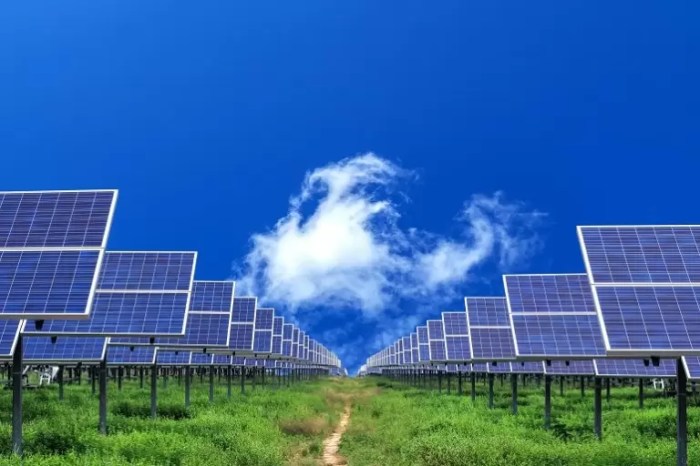
Solar energy is a powerful and sustainable energy source harnessed from the sun’s rays. With the advancement of technology, solar panels have become a viable option for electricity generation in homes, businesses, and even large-scale power plants. Understanding how these panels work and their efficiency is crucial for anyone considering solar energy as an alternative energy solution.The technology behind solar panels is fundamentally based on the photovoltaic (PV) effect.
Solar panels are made up of many solar cells composed of semiconductor materials, commonly silicon. When sunlight strikes a solar cell, it excites the electrons in the semiconductor, causing them to flow and create an electric current. This process involves several steps: absorption of light, generation of electron-hole pairs, and finally, collection of these charge carriers to produce usable electricity.
The efficiency of this conversion varies depending on the type of solar panel used.
Efficiency of Different Types of Solar Panels
The efficiency of solar panels is a key factor in their performance and value. Various types of solar panels exist, each with different efficiencies, advantages, and disadvantages. Here’s a brief overview of the most common types:
- Monocrystalline Panels: Known for their high efficiency, typically ranging from 15% to 22%. These panels are made from a single crystal structure and have a longer lifespan, making them a popular choice for residential and commercial installations.
- Polycrystalline Panels: Slightly less efficient than monocrystalline panels, with efficiencies between 13% to 16%. These panels are made from multiple crystal structures and are generally less expensive, though they occupy more space for the same power output.
- Thin-Film Panels: These panels have a lower efficiency ranging from 10% to 12%. They are lightweight and flexible, making them suitable for unconventional surfaces but require larger areas for installation due to their lower power output.
Understanding these efficiency levels helps consumers make informed choices based on space, budget, and energy needs.
Countries Leading in Solar Energy Adoption
Several countries have taken significant steps towards adopting solar energy, demonstrating commitment through various initiatives. Their efforts highlight how solar energy can contribute to national energy strategies. To better understand their actions, here are a few leading countries:
- China: As the world’s largest producer of solar energy, China has invested heavily in solar technology, with initiatives such as subsidizing solar panel production and encouraging solar installations across urban and rural areas.
- Germany: Pioneering in solar energy, Germany has implemented feed-in tariffs, encouraging homeowners and businesses to install solar systems by guaranteeing them a fixed payment for the energy they produce.
- United States: The U.S. has seen a rapid increase in solar energy adoption, driven by state-level incentives and federal tax credits, making solar energy more accessible to homeowners and businesses alike.
- India: With ambitious targets for solar energy capacity, India has launched the National Solar Mission, promoting large solar farms and decentralized solar power systems to meet its growing energy demands.
These countries serve as examples of how solar energy can be integrated into national energy policies, promoting sustainability and reducing carbon footprints.
Wind Energy
Wind energy harnesses the power of the wind to generate electricity using wind turbines. As a renewable energy source, it has gained significant traction globally due to its potential to replace fossil fuels and reduce carbon emissions. Wind energy not only contributes to energy security but also promotes economic development in various regions.Wind turbines operate by converting the kinetic energy from the wind into mechanical energy, which is then transformed into electrical energy.
The main components of a wind turbine include the rotor blades, nacelle, tower, and electronics. When wind blows, it causes the rotor blades to spin. This motion turns a shaft connected to a generator inside the nacelle, producing electricity.
Mechanics of Wind Turbines
The operation of wind turbines involves several key mechanics that ensure efficient energy conversion.
1. Rotor Blades
The design of rotor blades is crucial as they capture wind energy. Typically, they are shaped like airplane wings to optimize lift and allow for maximum rotation.
2. Gearbox
The gearbox increases the rotational speed from the rotor so that the generator can produce electricity efficiently. Without this mechanism, the generator would not reach the speeds necessary for effective energy generation.
3. Generator
The generator converts the mechanical energy from the rotor into electrical energy. This is often done using electromagnetic induction principles.
4. Control System
A sophisticated control system ensures that the turbine operates optimally by adjusting the blade pitch and yaw, enabling the turbine to face the wind direction.These components work together to facilitate a seamless conversion of wind energy into electricity.
Advantages and Disadvantages of Wind Energy
Wind energy presents a mix of benefits and challenges, which are essential to consider for its integration into energy systems. The advantages of wind energy include:
Renewable and Abundant
Wind is a free and inexhaustible resource, making it a sustainable energy option.
Low Operational Costs
Once installed, wind turbines have low operational and maintenance costs compared to fossil fuel power plants.
Reduction in Greenhouse Gas Emissions
Wind energy significantly lowers CO2 emissions, promoting environmental sustainability.
Job Creation
The wind industry contributes to job creation in manufacturing, installation, and maintenance.However, there are disadvantages associated with wind energy:
Intermittent Energy Source
Wind doesn’t blow consistently, leading to variable energy production.
Impact on Wildlife
Wind turbines can pose threats to birds and bats, leading to ecological concerns.
Aesthetic and Noise Issues
Some people find wind turbines unsightly or noisy, which can lead to local opposition.
High Initial Costs
The initial investment for wind farms can be significant, although it has become more affordable over time.
Global Wind Energy Production Statistics
Understanding the global landscape of wind energy production provides insights into its significance in the energy sector. Wind energy capacity has reached remarkable figures worldwide.
Global Capacity
As of 2023, the total installed wind power capacity worldwide is over 900 gigawatts (GW), representing a substantial increase from previous years.
Leading Regions
China
Dominates the wind energy market with over 300 GW of installed capacity.
United States
Follows with approximately 140 GW, making it one of the top producers of wind energy.
Germany
A significant player in Europe, with around 70 GW of wind capacity.
Emerging Markets
Countries like India and Brazil are rapidly expanding their wind energy footprints, contributing to a more diversified global energy mix.These statistics illustrate the growing reliance on wind energy as a key component in the transition to renewable energy sources, highlighting both the achievements and the potential for future development in this sector.
Hydroelectric Power
Hydroelectric power is a significant source of renewable energy that harnesses the energy of flowing water to generate electricity. It is one of the most established and widely used methods of producing clean energy, with various applications around the world. This section delves into how hydroelectric dams operate, the ecological impacts of these power plants, and highlights significant case studies of major hydroelectric projects.Hydroelectric dams operate by converting the kinetic energy of flowing water into mechanical energy, which is then transformed into electrical energy.
Water from a river or reservoir is channeled through turbines located at the dam. As the water flows over the turbines, it causes them to spin, which in turn drives generators that produce electricity. The process can be summarized in the following steps:
1. Water Storage
A reservoir behind the dam stores a significant amount of water, which can be released as needed.
2. Controlled Release
Gates in the dam control the flow of water, allowing it to rush through the turbines.
3. Turbine Movement
The fast-moving water turns the blades of the turbines, converting the water’s kinetic energy into mechanical energy.
4. Electricity Generation
The turbines are connected to generators that convert mechanical energy into electrical energy, which can then be transmitted to the power grid.
Ecological Impacts
The construction and operation of hydroelectric power plants can have significant ecological impacts on local environments. While they provide sustainable energy, they can also disrupt local ecosystems and communities. Some notable effects include:
Habitat Alteration
Dams can change natural water flow patterns, affecting aquatic habitats. This can lead to the displacement of fish and other wildlife that depend on specific river conditions.
Water Quality Changes
Stagnation of water in reservoirs can lead to changes in water temperature and quality, impacting the health of aquatic life.
Sediment Trapping
Dams can trap sediments that are essential for downstream ecosystems, leading to erosion and loss of soil fertility in some areas.
Fish Migration Barriers
Dams may obstruct the natural migration of fish species, such as salmon, which need to travel upstream to spawn.
Case Studies of Major Hydroelectric Projects
Several hydroelectric projects around the world serve as examples of both the benefits and challenges associated with this form of energy. Each project has had its unique outcomes, shaping the surrounding environment and local communities:
1. Three Gorges Dam (China)
This is the world’s largest hydroelectric power station in terms of installed capacity. It has significantly increased electricity generation in the region, but it has also displaced over a million people and altered the Yangtze River ecosystem. The benefits of energy production come with substantial social and environmental costs.
2. Hoover Dam (USA)
Completed in 1936, Hoover Dam provides water for irrigation and hydroelectric power to millions. The dam has created Lake Mead, but it has also affected local wildlife and reduced sediment flow, impacting downstream habitats.
3. Itaipu Dam (Brazil/Paraguay)
One of the largest producers of hydroelectric power globally, Itaipu generates 14,000 megawatts of energy. The project is vital for the energy security of both Brazil and Paraguay. However, construction led to significant changes in the local ecosystem, including the flooding of extensive forest areas.In summary, while hydroelectric power is a crucial renewable energy source, its implications on ecology and local communities necessitate careful consideration and management.
Biomass Energy
Biomass energy refers to the energy produced from organic materials, which can include a variety of substances derived from plants and animals. This renewable energy source utilizes materials that are abundantly available and can be replenished naturally. Biomass is considered a sustainable alternative to fossil fuels, as it can significantly reduce greenhouse gas emissions when managed responsibly. Biomass can be derived from numerous sources, including agricultural crops, wood, and waste materials.
Common types of biomass materials include:
- Wood: Logs, chips, bark, and sawdust.
- Agricultural Residues: Corn stalks, rice husks, and wheat straw.
- Animal Manure: Waste from livestock that can be converted into energy.
- Algae: Fast-growing, high-yield organisms that can produce biofuels.
- Biodegradable Waste: Food scraps and yard waste that can be composted or processed for energy.
The process of converting biomass into usable energy involves several methods, primarily combustion, gasification, and anaerobic digestion.
Conversion Processes of Biomass
Biomass can be efficiently converted into energy through these main processes:
Combustion
This is the most straightforward method, where biomass is burned to produce heat, which can then generate steam to drive turbines for electricity production.
Gasification
This process involves heating biomass in a low-oxygen environment to produce syngas (a mixture of carbon monoxide and hydrogen), which can be burned for heat or converted into biofuels.
Anaerobic Digestion
In this method, microorganisms break down organic matter in the absence of oxygen, producing biogas (primarily methane) that can be used for heating or electricity generation.When evaluating biomass as an energy source compared to fossil fuels, it’s essential to consider both its advantages and disadvantages.
Pros and Cons of Biomass Energy
Understanding the benefits and drawbacks of biomass energy helps in making informed decisions regarding its use as a sustainable energy source. The advantages of biomass energy include:
-
Renewability
: Biomass is a renewable resource, and its production can be sustained over time through responsible management.
- Carbon Neutral: The carbon dioxide released during combustion is offset by the CO2 absorbed by plants during their growth cycle.
- Waste Reduction: Using waste materials for energy helps reduce landfill waste and promotes recycling.
- Economic Development: Biomass energy can create jobs in agriculture, industry, and waste management sectors.
Conversely, there are several challenges associated with biomass energy:
- Land Use: Large-scale biomass production can compete with food production and lead to deforestation.
- Emissions: While biomass is generally cleaner than fossil fuels, its combustion can still release pollutants.
- Energy Density: Biomass typically has a lower energy density than fossil fuels, requiring more material for the same energy output.
- Transport Costs: Moving biomass from rural areas to urban centers can be economically and environmentally challenging.
In summary, biomass energy presents a promising alternative to fossil fuels, but its successful implementation depends on balancing its benefits with the challenges it poses.
Geothermal Energy
Geothermal energy harnesses the natural heat from the Earth, providing a renewable and sustainable source of power. This energy is generated from the Earth’s core where temperatures can reach up to 5,500 degrees Celsius. By tapping into this heat, we can generate electricity and provide direct heating solutions for homes and industries.Geothermal energy is harnessed through various methods, primarily using steam or hot water from underground reservoirs.
The most common technique involves drilling wells into geothermal reservoirs to pump hot water or steam to the surface. This steam can then be used to drive turbines connected to electricity generators. Additionally, ground-source heat pumps can be used for heating and cooling buildings by exploiting the relatively stable temperatures found a few meters below ground level.
Geographical Areas Suitable for Geothermal Energy Production
Certain geographical areas are more conducive to geothermal energy production due to their geological conditions. Regions with volcanic activity, tectonic plate boundaries, and hot spot locations are particularly favorable. The following list highlights key regions around the world known for their geothermal potential:
- Iceland: Known for its abundant geothermal resources, Iceland generates approximately 90% of its heating and 25% of its electricity from geothermal energy.
- The United States: Home to the largest geothermal power plant in the world, The Geysers in California, the U.S. also has significant geothermal resources in Nevada and Utah.
- Philippines: The second-largest producer of geothermal energy for electricity generation, with several plants located in areas like Luzon and Leyte.
- Italy: The birthplace of geothermal energy production, particularly in the region of Tuscany, where the first power plant was established in 1911.
- New Zealand: Features notable geothermal fields, particularly around the Taupo Volcanic Zone, contributing significantly to its energy mix.
The potential for geothermal energy extends beyond electricity generation. In many regions, the direct use of geothermal heat for agricultural purposes, district heating, and industrial applications is becoming increasingly common. This versatility highlights the broad scope of geothermal energy’s applicability.
Future Potential of Geothermal Energy
The future of geothermal energy is promising, with ongoing advancements in technology making this resource more accessible and efficient. As interest in renewable energy grows, geothermal power is being recognized for its ability to provide a stable, baseload energy source. The following points illustrate the future potential of geothermal energy:
- Enhanced Geothermal Systems (EGS): EGS technology allows for the creation of geothermal reservoirs in areas previously considered unsuitable for geothermal energy, significantly expanding the potential locations for energy production.
- Increased Energy Demand: As global energy demands continue to rise, geothermal energy can serve as a reliable alternative to fossil fuels, with low emissions and a consistent energy supply.
- Integration with Other Renewables: Geothermal energy can complement other renewable sources like solar and wind, providing a stable energy supply when these intermittent sources are not available.
- Research and Development: Continued investment in research is expected to lead to improved efficiency and reduced costs for geothermal technologies, making it a more attractive option for energy generation.
- Public Policy Support: Many governments are increasingly supportive of renewable energy initiatives, which can drive investment and growth in geothermal projects worldwide.
The integration of innovative technologies and supportive policies will play a crucial role in realizing geothermal energy’s full potential, paving the way for a more sustainable energy future.
Challenges in Renewable Energy Adoption
The transition to renewable energy sources is not without its hurdles. While the benefits of renewable energy are widely acknowledged, the journey towards widespread adoption faces several significant challenges. These encompass financial constraints, technological limitations, public perception issues, and regulatory obstacles that can impede progress.
Financial and Technological Barriers
Expanding renewable energy infrastructure often requires substantial financial investments. The initial costs for setting up renewable energy systems can be daunting. Despite decreasing costs for technologies like solar panels and wind turbines, financing remains a significant barrier. Many renewable projects depend on government incentives and subsidies, which can be unpredictable.A key technological barrier is the need for advancements in energy storage solutions.
Renewable sources like solar and wind are intermittent; therefore, effective energy storage systems are crucial for ensuring a stable energy supply. Current battery technology is still evolving, thus posing a challenge for large-scale integration of renewables into existing grids.
Public Perception Challenges
Public perception plays a critical role in the acceptance of renewable energy technologies. Misconceptions about the efficacy and reliability of renewable sources can lead to resistance from communities. For example, some individuals believe that solar energy cannot provide sufficient power during cloudy days or that wind turbines cause significant noise pollution and harm wildlife.Education and awareness campaigns are necessary to correct these misconceptions.
Local outreach efforts can help communities understand the long-term benefits of renewable energy, such as lower energy bills and reduced carbon footprints. Engaging the public through workshops or community meetings can foster a more supportive environment for renewable projects.
Regulatory and Policy Hurdles
Navigating the regulatory landscape is often a daunting task for renewable energy projects. Policies may vary significantly between regions, creating uncertainty for investors and developers. The lack of standardized regulations can lead to delays in project approvals and create barriers to entry for new companies.Moreover, existing policies sometimes favor fossil fuels over renewables, perpetuating the reliance on conventional energy sources.
For instance, some countries have subsidies for fossil fuel industries, making it challenging for renewable technologies to compete on a level playing field. Addressing these regulatory barriers is essential for creating a more favorable environment for renewable energy adoption.
Future of Renewable Energy
The future of renewable energy is bright, with advancements on the horizon that promise to reshape our energy landscape over the next decade. As technology evolves and the demand for sustainable solutions intensifies, we can look forward to a world where renewable energy sources play a pivotal role in meeting our energy needs and combating climate change. This vision is driven by innovation, improved efficiency, and growing awareness around the benefits of clean energy.Innovations in renewable energy technologies are expected to significantly impact their adoption and efficiency.
From enhanced energy storage solutions to more efficient solar panels, the advancements are transforming how we produce and consume energy. As these technologies become more accessible, they pave the way for a broader shift toward sustainable energy practices.
Technological Advancements in Renewable Energy
The next decade will witness several key innovations in renewable energy technologies that will enhance efficiency and reduce costs. Here are some major advancements to look forward to:
- Improved Energy Storage Solutions: Innovations in battery technology, including solid-state batteries and flow batteries, are set to revolutionize energy storage, making it easier to store and distribute renewable energy when it’s most needed.
- Smart Grids: The development of smart grid technology allows for better management of energy flow and enhances the integration of renewable sources, ensuring a reliable energy supply.
- Advanced Solar Technologies: The introduction of perovskite solar cells and bifacial panels will increase energy conversion efficiency, allowing solar power to become even more competitive with traditional energy sources.
- Offshore Wind Farms: With advancements in turbine design and floating wind technologies, offshore wind energy is becoming more viable, potentially generating significant energy output from coastal areas.
The Role of Education and Awareness in Renewable Energy Adoption
Education and awareness play critical roles in promoting the adoption of renewable energy. Understanding the benefits and workings of renewable energy systems not only helps individuals make informed choices but also encourages community action. The propagation of knowledge about renewable energy can occur through various channels, including:
- Community Workshops: Local educational programs can offer hands-on experiences, allowing participants to learn about solar installations or energy conservation practices.
- School Curriculum Enhancements: Integrating renewable energy topics into school curriculums helps to cultivate a generation of environmentally-conscious individuals who support sustainable practices.
- Public Awareness Campaigns: Mass media campaigns can highlight the advantages of renewable energy, such as economic savings and environmental benefits, fostering a culture of sustainability.
“Education is the most powerful weapon which you can use to change the world.”
Nelson Mandela
Ultimate Conclusion
In summary, the transition to Renewable Energy offers a promising path towards sustainability and environmental stewardship. Despite the challenges we face, the advancements in technology and the growing awareness of the importance of renewable sources signal a bright future. By embracing renewable energy, we not only protect our planet but also inspire a new generation to innovate and contribute to a cleaner world.
FAQ Explained
What is renewable energy?
Renewable energy comes from sources that are naturally replenished, such as sunlight, wind, rain, tides, waves, and geothermal heat.
Why is renewable energy important?
It’s crucial for reducing greenhouse gas emissions, combating climate change, and decreasing our reliance on fossil fuels.
What are the main types of renewable energy?
The main types include solar, wind, hydroelectric, biomass, and geothermal energy.
How does solar energy work?
Solar panels convert sunlight into electricity using photovoltaic cells through a process that involves converting sunlight into DC electricity, which is then inverted to AC for use in homes.
What are the challenges of adopting renewable energy?
Challenges include financial costs, technological limitations, regulatory hurdles, and public perception issues.


