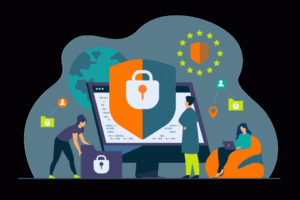
Cybersecurity in Aerospace is a critical topic as the aviation industry increasingly relies on technology for safe and efficient operations. With the rise of interconnected systems, the protection of sensitive data and operational integrity has never been more important. This overview will delve into the complexities of cybersecurity within the aerospace sector, highlighting the challenges and the necessary measures to combat emerging threats.
In this context, understanding the various threats faced by aerospace systems, such as data breaches and system vulnerabilities, becomes vital. As we explore the key components of cybersecurity, regulatory frameworks, and innovative technologies, it will become clear that a robust cybersecurity strategy is essential for the future of aviation.
Understanding Cybersecurity in Aerospace
In the rapidly evolving aerospace industry, cybersecurity has emerged as a critical focus area. As aviation systems become increasingly interconnected, the need to protect sensitive data and ensure the integrity of operations has never been more vital. Cybersecurity in aerospace encompasses the measures taken to safeguard these systems from cyber threats, ensuring safe and reliable air travel.Cybersecurity in aviation is paramount, not just for operational continuity but also for protecting public safety and national security.
The stakes are high, as a breach can compromise flight safety, leading to devastating consequences. The aerospace sector faces an array of cybersecurity challenges, including data breaches, system intrusions, and the potential for cyberterrorism, all of which can impact both commercial and military aviation.
Types of Cybersecurity Threats in Aerospace
The aerospace sector is under constant threat from various cyber risks, each with unique characteristics and potential impacts. Understanding these threats is essential for developing effective strategies to mitigate them. The following points Artikel the primary types of threats that aerospace systems encounter:
- Malware Attacks: Malicious software can disrupt systems, damage data integrity, and lead to unauthorized access. These attacks can target everything from ground control systems to onboard aviation technologies.
- Phishing and Social Engineering: Cybercriminals often use deceptive tactics to manipulate individuals into divulging sensitive information. This can result in unauthorized access to critical systems or data breaches.
- Insider Threats: Employees or contractors may intentionally or unintentionally compromise system security. This can happen through negligence or malicious intent, making internal security protocols essential.
- Ransomware: This type of attack locks users out of their systems or data until a ransom is paid. The impact on flight operations can be severe, necessitating robust backup and recovery plans.
- Supply Chain Attacks: As aerospace companies rely on a network of suppliers, vulnerabilities in third-party services can lead to significant security breaches. Safeguarding the entire supply chain is crucial for maintaining overall security.
- Advanced Persistent Threats (APTs): These highly sophisticated attacks are often state-sponsored, targeting sensitive aerospace systems over long periods. APTs require advanced detection and response strategies to mitigate their risks.
Each of these threats poses unique challenges to the aerospace sector. It is essential for industry stakeholders to implement comprehensive cybersecurity measures, including advanced threat detection, regular security training, and collaborative defense strategies to protect against these risks effectively.
“Cybersecurity is not just a technical issue; it is a fundamental aspect of operational safety and risk management in the aerospace industry.”
Key Components of Aerospace Cybersecurity
In the rapidly evolving domain of aerospace, the need for robust cybersecurity measures is more critical than ever. As aerospace systems become increasingly interconnected, securing these systems against potential threats is paramount. This encompasses a variety of elements, from protecting sensitive data to implementing strict access controls. Understanding these key components is essential for maintaining the integrity and safety of aerospace operations.
Critical Elements of Securing Aerospace Systems
Several critical elements are involved in securing aerospace systems, each playing a vital role in protecting against cyber threats. These elements are designed to ensure that the integrity, availability, and confidentiality of aerospace data and operations are maintained. Key components include:
- Data Integrity: Ensuring that data is accurate and has not been tampered with is fundamental. This can be achieved through various verification methods and security protocols.
- Network Security: Protecting the network infrastructure from unauthorized access and attacks is crucial. This encompasses firewalls, intrusion detection systems, and secure communication channels.
- Incident Response: Establishing a clear incident response plan is essential for quickly addressing any cybersecurity breaches or vulnerabilities that may arise.
Role of Encryption in Protecting Sensitive Data
Encryption serves as a cornerstone in the protection of sensitive data within aerospace systems. By transforming readable data into an unreadable format, encryption ensures that even if data is intercepted, it remains secure. This process is particularly important given the diverse types of sensitive information handled in aerospace, such as flight plans, passenger data, and proprietary engineering details.
“Encryption is not just a tool, but a fundamental component of a multi-layered security strategy.”
The implementation of strong encryption algorithms can help mitigate risks associated with data breaches and unauthorized access. Furthermore, the use of encryption technologies, such as Transport Layer Security (TLS) and Advanced Encryption Standard (AES), strengthens the defense mechanisms of aerospace networks, ensuring that sensitive information remains confidential during transmission and storage.
Importance of Access Control Measures for Aerospace Networks
Access control measures are vital for managing who can access aerospace systems and data. These measures help to prevent unauthorized users from gaining entry to sensitive areas of network infrastructure, reducing vulnerabilities and enhancing overall security. Effective access control mechanisms include:
- Role-Based Access Control (RBAC): This approach assigns permissions based on the roles of individuals within an organization, ensuring that users only have access to the information necessary for their job functions.
- Multi-Factor Authentication (MFA): Implementing MFA adds an additional layer of security by requiring multiple forms of verification before granting access, making it significantly more difficult for unauthorized users to breach systems.
- Regular Audits and Reviews: Conducting periodic audits of access controls helps to identify any potential security gaps and ensures that permissions are up-to-date and relevant.
The implementation of these access control measures is crucial for safeguarding aerospace networks from cyber threats, ultimately contributing to the safety and reliability of aerospace operations.
Regulatory Framework and Compliance
In the realm of aerospace, cybersecurity is not just a technical necessity but a regulatory obligation. The importance of maintaining high cybersecurity standards is underscored by various regulations and compliance requirements that aerospace organizations must adhere to. These regulations ensure that the systems and data critical to aviation safety are protected against cyber threats, thereby maintaining public confidence in air travel.The regulatory landscape for cybersecurity in aerospace is complex and multifaceted, comprising both national and international standards.
Compliance with these regulations is essential for aerospace organizations to operate legally and effectively. Organizations must navigate through a variety of laws, guidelines, and frameworks that shape their cybersecurity practices and policies.
Regulations Governing Aerospace Cybersecurity
Various regulations govern the cybersecurity landscape in the aerospace industry. For organizations in the United States, the Federal Aviation Administration (FAA) has established guidelines that specifically address cybersecurity. The FAA’s Advisory Circulars provide a framework for risk management and mitigation strategies aimed at ensuring the safety and security of aviation systems. Additionally, the National Institute of Standards and Technology (NIST) has created the Risk Management Framework (RMF) and Special Publication 800-53, which serve as essential tools for risk assessment and security controls.In Europe, the European Union Aviation Safety Agency (EASA) plays a similar role.
EASA has its own set of regulations, known as the European Union Aviation Safety Regulation (EASR), which includes provisions for cybersecurity within the aviation industry. Compliance with these regulations is imperative for organizations operating within the EU, as it aligns their operations with international safety standards.
Compliance Requirements for Aerospace Organizations
Organizations must not only understand regulations but also actively comply with them to mitigate risks associated with cybersecurity threats. Key compliance requirements include:
- Risk Management: Organizations must implement comprehensive risk management processes to identify, assess, and mitigate cybersecurity risks.
- Incident Response: Organizations are required to establish incident response plans that facilitate quick and effective reactions to cybersecurity breaches.
- Training and Awareness: Employees must undergo regular training and awareness programs to understand potential cybersecurity threats and best practices for safeguarding sensitive information.
- Continuous Monitoring: Organizations need to continuously monitor their systems and networks for vulnerabilities or anomalies that could indicate cyber threats.
These compliance requirements are essential for maintaining the integrity and security of aerospace systems, ensuring that organizations can defend against ever-evolving cyber threats.
Comparison of International Standards and National Regulations
When comparing international standards with national regulations, it is crucial to recognize that many national regulations are influenced by international standards. For instance, the International Organization for Standardization (ISO) has established the ISO/IEC 27001 framework, which provides guidelines for information security management systems. This international standard serves as a baseline for many national regulations, including those set by the FAA and EASA.National regulations tend to be more specific, providing detailed requirements tailored to the unique aspects of their aviation sectors.
However, both national and international frameworks emphasize similar core principles, such as risk assessment, incident response, and the need for continuous improvement in cybersecurity practices.The harmonization of international standards and national regulations promotes a unified approach to aerospace cybersecurity, facilitating collaboration among organizations across borders while ensuring compliance with local laws.
Cybersecurity Technologies and Tools
In the rapidly advancing landscape of aerospace, cybersecurity technologies and tools play a critical role in protecting vital systems and sensitive data. As the industry increasingly relies on digital systems for operations, the need for robust cybersecurity solutions becomes more pronounced. This section delves into various tools and technologies that are fundamental in safeguarding aerospace applications from cyber threats.
Cybersecurity Tools in Aerospace Applications
The aerospace sector employs a range of cybersecurity tools designed to enhance security measures and respond effectively to threats. These tools help protect aircraft systems, ground control operations, and passenger data from potential breaches. Key tools include:
- Endpoint Protection Platforms (EPP): These solutions secure endpoints such as computers and mobile devices by detecting and blocking malicious activities.
- Encryption Tools: Encryption technologies safeguard sensitive data by transforming it into unreadable formats, making unauthorized access nearly impossible.
- Vulnerability Assessment Tools: These tools identify and analyze weaknesses in systems, allowing organizations to implement necessary patches and updates.
- Network Traffic Analysis Tools: By monitoring and analyzing network traffic, these tools detect anomalies that may indicate cyber-attacks.
Intrusion Detection Systems in Aviation
Intrusion Detection Systems (IDS) are crucial for monitoring network activities and identifying potential security breaches in real-time. These systems can be classified into two main types:
- Network-Based IDS (NIDS): These systems monitor network traffic for suspicious activities and patterns that could indicate an attack.
- Host-Based IDS (HIDS): These systems operate on individual devices, monitoring system files and logs to detect unauthorized changes or access attempts.
The implementation of IDS in aviation is vital for early detection and rapid response to potential threats, thus minimizing the risk of severe security incidents.
Role of Firewalls and SIEM Systems in Aviation
Firewalls and Security Information and Event Management (SIEM) systems are integral components of an effective cybersecurity strategy in aviation. Firewalls act as barriers between trusted internal networks and untrusted external networks, controlling incoming and outgoing traffic based on predetermined security rules. They can be categorized as:
- Packet-Filtering Firewalls: These check packets of data against a set of filters and allow or block them accordingly.
- Stateful Inspection Firewalls: These monitor active connections and determine which packets to allow based on the state of the connection.
- Application Layer Firewalls: These operate at the application layer, providing a more thorough inspection of traffic and blocking threats associated with specific applications.
SIEM systems play a complementary role by aggregating and analyzing security data from across the network. They provide insights into potential threats through real-time monitoring, logging, and alerting. The importance of SIEM systems in aviation is highlighted by their ability to facilitate compliance with regulatory requirements and enhance overall security posture.
“Integrating advanced cybersecurity technologies is not just a choice but a necessity for the aerospace sector to fend off increasingly sophisticated cyber threats.”
Incident Response and Management
In the aerospace sector, effective incident response and management are essential to safeguard against cybersecurity threats that can compromise flight safety, passenger data, and overall operational integrity. A robust incident response plan ensures that organizations are prepared to respond swiftly and effectively to any cybersecurity incidents, minimizing damage and facilitating recovery.
Steps in Creating a Cybersecurity Incident Response Plan
Developing a comprehensive incident response plan is critical for aerospace organizations. The plan should encompass several key steps to ensure preparedness and resilience against potential cybersecurity threats.
- Preparation: This involves training the response team, establishing communication channels, and ensuring all stakeholders understand their roles.
- Identification: Establish methods to detect and identify potential cybersecurity incidents swiftly, ensuring the right tools and techniques are in place for early detection.
- Containment: Develop strategies for immediate containment of incidents to prevent further damage, including isolation of affected systems and ongoing risk assessment.
- Eradication: After containment, determine the root cause of the incident and eliminate the threat from the environment.
- Recovery: Restore affected systems to normal operation while ensuring that vulnerabilities are addressed to prevent recurrence.
- Lessons Learned: Post-incident analysis is crucial for improving future responses; document what happened, what was learned, and how the response can be enhanced.
Importance of Real-Time Monitoring and Threat Detection in Aviation
Real-time monitoring and threat detection are paramount in the aerospace industry, where the stakes are incredibly high. Proactive monitoring allows organizations to detect anomalies and potential threats as they occur, rather than after damage has been done.Real-time systems collect and analyze data from various sources, providing an early warning system for potential threats. For example, utilizing intrusion detection systems (IDS) can help identify unauthorized access attempts in network environments used by aviation systems.
Continuous monitoring can significantly reduce the response time to incidents, allowing for immediate action and minimizing the impact on operations and safety.
“Real-time monitoring transforms response time from hours to mere minutes, a critical factor in maintaining aviation security.”
Procedures for Managing and Mitigating Cybersecurity Incidents in Aerospace
Effective management and mitigation of cybersecurity incidents involve structured procedures that can be activated immediately upon detection of a threat.The following procedures Artikel the crucial aspects of incident management in aerospace:
1. Immediate Response Activation
As soon as an incident is detected, the incident response team should be activated to assess the situation and implement containment measures.
2. Communication
Ensure there is a clear communication strategy in place to inform all relevant stakeholders, including regulatory bodies, partners, and affected personnel.
3. Investigation
A thorough investigation should be conducted to understand the nature of the incident, which includes analyzing logs and system behavior to trace the cause of the incident.
4. Documentation
Maintain detailed records of the incident, the response actions taken, and any changes made to the systems involved. This documentation is essential for compliance and future training.
5. Recovery Operations
Implement recovery plans to restore operations while ensuring that systems are secure before returning to normal functionality.
6. Review and Improvement
After managing an incident, conduct a comprehensive review to identify weaknesses in the response plan and improve future incident handling capabilities.By adhering to these procedures, aerospace organizations can better manage cybersecurity incidents and protect critical systems and data from emerging threats.
Training and Awareness in Aerospace Cybersecurity
In the rapidly evolving field of aerospace, where technology and safety are paramount, cultivating a robust training and awareness program for cybersecurity is essential. Employees must be well-versed in best practices that not only protect sensitive information but also ensure the safety of aviation operations. This segment delves into effective methods for training employees, fostering a culture of cybersecurity awareness, and evaluating the effectiveness of training programs within aerospace organizations.
Methods for Training Employees about Cybersecurity Best Practices
Implementing effective cybersecurity training methods involves various approaches that cater to diverse learning styles and operational needs. Organizations can enhance their training programs by combining several strategies:
- Interactive Workshops: Hands-on workshops facilitate real-time engagement, allowing employees to learn about cybersecurity threats and response tactics through simulations.
- Online Training Modules: E-learning platforms enable employees to complete training at their own pace, covering topics such as phishing, password management, and secure communication protocols.
- Scenario-Based Training: Role-playing scenarios can help employees understand the implications of cyber threats by simulating real-life situations they may encounter in their work environment.
- Regular Updates and Refreshers: Continuous education through periodic refreshers ensures that staff stays informed about the latest cybersecurity threats and trends.
Fostering a Culture of Cybersecurity Awareness
Establishing a cybersecurity-aware environment is crucial for minimizing risks and enhancing resilience. This can be achieved through:
- Leadership Buy-In: When leaders prioritize cybersecurity, it sets a standard for the entire organization and emphasizes its importance.
- Open Communication Channels: Encouraging employees to report suspicious activities fosters a proactive approach to cybersecurity.
- Incentives for Participation: Rewarding employees for engaging in cybersecurity initiatives can motivate them to take an active role in protecting the organization.
- Integrating Cybersecurity into Organizational Culture: Making cybersecurity a core value of the organization integrates it into everyday practices and decision-making processes.
Strategies for Evaluating the Effectiveness of Cybersecurity Training Programs
Assessing the impact of cybersecurity training programs is essential to ensure they are effective and meet organizational goals. Consider these strategies for evaluation:
- Pre- and Post-Training Assessments: Conducting tests before and after training can measure knowledge retention and improvement regarding cybersecurity practices.
- Track Incident Reports: Monitoring the number of reported incidents or near-misses can indicate the program’s effectiveness in increasing awareness and response capabilities.
- Feedback Surveys: Gathering feedback from participants about the training content, delivery, and relevance helps refine future training sessions.
- Behavioral Observations: Regularly observing employee behavior concerning cybersecurity protocols can provide insights into how well training is implemented in daily operations.
“Training is an ongoing process; the threat landscape is constantly evolving, and so must our skills and awareness.”
Future Trends in Aerospace Cybersecurity
The aerospace sector is rapidly evolving, and so are the associated cybersecurity challenges and solutions. As technology advances, new trends emerge that shape how organizations protect their critical assets against cyber threats. This section delves into the transformative technologies influencing aerospace cybersecurity, the role of artificial intelligence and machine learning, and insights on future threats and preparedness strategies.
Emerging Technologies Impacting Cybersecurity in the Aerospace Sector
The integration of cutting-edge technologies is essential for enhancing cybersecurity in aerospace. These technologies not only improve resilience against cyber threats but also streamline operations. Key technologies making a significant impact include:
- Blockchain Technology: By providing a decentralized and immutable ledger, blockchain enhances data integrity and trust in communication between aerospace systems. This technology is being explored for secure aircraft maintenance records and supply chain transparency.
- Cloud Computing: The shift towards cloud solutions allows for scalable cybersecurity resources. Cloud-based security services can provide real-time threat detection and response capabilities, essential for managing high volumes of data generated in aviation.
- Internet of Things (IoT): IoT devices are increasingly used in aerospace for monitoring systems and enhancing operational efficiency. However, their connectivity also presents new vulnerabilities that must be addressed with robust security measures.
Implications of Artificial Intelligence and Machine Learning
Artificial intelligence (AI) and machine learning (ML) are revolutionizing cybersecurity in the aerospace sector. These technologies can analyze massive datasets to identify patterns, predict threats, and respond to incidents more efficiently. Their implications include:
Automated Threat Detection
AI systems can continuously monitor networks for unusual activity, significantly reducing response times to potential breaches. For instance, using ML algorithms, aviation cybersecurity teams can detect anomalies that traditional systems may overlook.
Enhanced Decision-Making
AI can assist cybersecurity professionals by providing actionable insights from large data sets, allowing for informed decisions on threat mitigation strategies.
Predictive Analytics
By utilizing historical data, AI can forecast potential cyber threats and assess vulnerabilities in existing systems, enabling proactive security measures.
Potential Future Threats and Preparedness Strategies
As technology advances, the aerospace sector faces evolving cyber threats that require innovative preparedness strategies. Potential future threats include:
- Increased Sophistication of Cyber Attacks: Attackers may leverage advanced techniques such as AI-driven malware capable of adapting to bypass traditional security protocols.
- Supply Chain Vulnerabilities: As aerospace relies on complex global supply chains, any vulnerability in third-party systems can lead to significant security risks. Ensuring cybersecurity across the supply chain is crucial.
- Remote Aircraft Operations: With the rise of remote and autonomous flights, cybersecurity measures must evolve to protect aircraft systems from remote hacking attempts.
To prepare for these threats, organizations should implement comprehensive cybersecurity frameworks that include regular security assessments, employee training, and incident response planning. A proactive approach fosters resilience and ensures the safety of aviation operations in an increasingly digital landscape.
Closing Summary
In conclusion, the landscape of cybersecurity in aerospace is ever-evolving, driven by technological advancements and growing threats. As we move forward, it’s crucial for aerospace organizations to prioritize cybersecurity by adopting comprehensive strategies, promoting awareness, and staying compliant with regulations. By doing so, they can ensure the safety and security of their operations while fostering trust in the aviation industry as a whole.
General Inquiries
What are the main threats to aerospace cybersecurity?
The main threats include data breaches, hacking attempts, insider threats, and vulnerabilities in software and hardware systems.
How is sensitive data protected in aviation?
Sensitive data is protected through measures such as encryption, access controls, and regular security audits.
What role do regulations play in aerospace cybersecurity?
Regulations set the minimum standards for cybersecurity practices, ensuring that organizations implement necessary safeguards to protect aviation systems.
How can organizations create a culture of cybersecurity awareness?
Organizations can foster a culture of cybersecurity awareness through regular training sessions, clear communication about policies, and encouraging employees to report suspicious activities.
What future technologies might affect aerospace cybersecurity?
Emerging technologies such as artificial intelligence and machine learning could enhance threat detection but also pose new challenges if not managed properly.