
Construction Waste Recycling is more than just a buzzword; it’s a vital solution for reducing our environmental footprint while maximizing the value of building materials. As construction projects generate vast amounts of waste, finding ways to recycle these materials not only benefits the planet but also helps the economy.
This process involves reclaiming materials like concrete, wood, metals, and more, which can be reused in new projects. By embracing recycling practices, construction companies can significantly decrease landfill waste and promote sustainability in their operations.
Overview of Construction Waste Recycling
Construction waste recycling is the process of recovering materials from construction and demolition projects, allowing them to be reused rather than disposed of in landfills. This practice is increasingly vital in today’s world as it directly impacts environmental sustainability and resource conservation. As the construction industry grows, so does the volume of waste it generates, making effective recycling essential for reducing ecological footprints and promoting economic benefits.Construction projects typically generate a variety of materials that can be recycled, including concrete, wood, metal, glass, and drywall.
These materials can be processed and transformed into new products, thus extending their lifecycle and minimizing the need for virgin resources. By diverting these materials away from landfills, construction waste recycling not only conserves natural resources but also reduces greenhouse gas emissions associated with waste disposal and manufacturing processes.
Commonly Recycled Materials in Construction
The recycling of construction waste encompasses a wide range of materials. Understanding these categories helps in developing effective waste management strategies. The following materials are frequently recycled:
- Concrete: Ground concrete can be repurposed as aggregate for new concrete or used as a base for roads and pathways.
- Wood: Reclaimed timber can be processed into new building materials or used for energy generation.
- Metals: Aluminum and steel can be melted down and remolded into new products, significantly saving energy.
- Drywall: Gypsum from drywall can be recycled into new drywall production or used in agriculture as a soil amendment.
- Glass: Recycled glass can be used in insulation, as aggregate in concrete, or transformed into new glass products.
Benefits of Recycling Construction Waste
The advantages of recycling construction waste are profound, encompassing both environmental and economic dimensions. By engaging in recycling practices, the construction industry can realize the following benefits:
- Environmental Impact: Reduces landfill waste and conserves natural resources, leading to less habitat destruction and lower carbon emissions.
- Cost Savings: Recycling materials can reduce disposal costs and create more affordable raw materials for construction projects.
- Job Creation: The recycling industry creates jobs in sorting, processing, and transporting recycled materials.
- Regulatory Compliance: Adhering to recycling regulations can help companies avoid fines and enhance their public image.
- Resource Efficiency: Utilizing recycled materials often requires less energy compared to producing new materials, thus promoting sustainability.
“Recycling construction waste not only helps the environment but also contributes to a sustainable economy while meeting the growing demand for materials.”
Methods of Construction Waste Recycling
Recycling construction waste is becoming increasingly vital in the fight against environmental degradation and resource depletion. Various methods can be employed to transform waste materials from construction sites into useful products, thereby reducing landfill burden and promoting sustainable building practices. Understanding these methods not only aids in efficient waste management but also fosters innovation in the construction industry.One of the most common methods for recycling construction waste involves the mechanical processing of materials.
This method includes crushing, shredding, and screening waste materials such as concrete, wood, and metal, making them suitable for reuse. Additionally, chemical processes can be used for specific types of waste, enabling the recovery of valuable materials through separation techniques.
Successful Recycling Techniques Globally
Around the world, numerous countries have pioneered successful recycling techniques that showcase the versatility of construction waste. These techniques often include innovative approaches to processing and repurposing materials. Here are a few standout examples:
- Germany: In Germany, the country has implemented a rigorous recycling system where up to 90% of construction waste is recycled. Concrete debris is crushed and reused as aggregate in new concrete, significantly reducing the need for virgin materials.
- Sweden: Sweden employs a method called “resource recovery,” where materials like bricks and tiles are sorted and reused in new construction projects. This method has been instrumental in minimizing waste and promoting a circular economy.
- Netherlands: The Dutch construction industry utilizes an innovative approach known as “deconstruction,” which focuses on dismantling buildings in a way that maximizes material recovery. This method allows for materials like wood and metal to be reused in new construction, reducing the demand for new resources.
- United States: In cities like San Francisco, strict recycling laws encourage the diversion of construction waste from landfills. Contractors are required to recycle a significant portion of their materials, leading to the establishment of recycling centers that process wood, drywall, and metals for reuse.
The comparison between traditional disposal methods and recycling methods in construction highlights significant differences in environmental impact and resource management. Traditional disposal methods typically involve sending waste to landfills. This practice not only consumes valuable land but also contributes to greenhouse gas emissions as materials decompose. In contrast, recycling methods actively recover and repurpose materials, which conserves resources and reduces pollution.
“Recycling in construction is not just a trend; it is essential for a sustainable future.”
In terms of resource efficiency, recycling provides tangible benefits. The energy savings from recycling materials like steel and aluminum can be substantial, as it requires less energy to process recycled materials compared to producing them from raw resources. Thus, the choice to recycle construction waste is not merely an environmental decision; it is also an economically sound strategy that promotes sustainability across the industry.
Challenges in Construction Waste Recycling
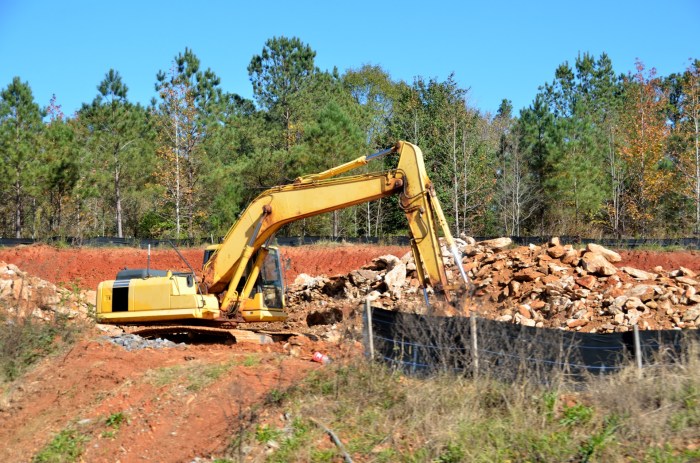
Recycling construction waste is essential for reducing landfill usage and conserving natural resources, but it comes with its own set of challenges. The construction industry faces numerous obstacles that hinder effective waste management practices. Identifying and addressing these challenges is key to improving recycling rates and minimizing environmental impact.One of the significant challenges in construction waste recycling lies in the regulatory and logistical frameworks that govern recycling practices.
Different regions have varying laws and regulations, which can create confusion and inconsistencies in recycling efforts. Compliance with these regulations often requires additional resources and time, which can deter construction companies from adopting recycling practices. Additionally, logistical challenges such as transportation and storage of recyclable materials add complexity to the recycling process. Effective management of these factors is crucial for successful implementation of recycling initiatives.
Common Obstacles in Recycling Construction Waste
Numerous factors contribute to the difficulties encountered in construction waste recycling. Understanding these obstacles can help identify solutions to enhance recycling efforts. The following list highlights some common challenges:
- Contamination of Materials: Contaminated materials can severely impact the quality and usability of recyclable products. For instance, if concrete is mixed with hazardous substances, it may be deemed unsafe for recycling.
- Lack of Awareness: Many construction companies and workers may lack proper knowledge about recycling processes and the importance of waste segregation, which leads to higher contamination rates.
- Inadequate Infrastructure: The absence of sufficient recycling facilities and collection systems can limit the capacity to process construction waste effectively. This can result in recyclable materials being sent to landfills instead.
- Economic Constraints: The costs associated with recycling operations, including collection, transportation, and processing, can be prohibitive, especially for smaller construction firms that operate on tight budgets.
Regulatory and Logistical Challenges
Navigating the regulatory landscape related to construction waste recycling can be daunting. Each region may impose different regulations that dictate how construction waste must be managed. These regulations can include mandates for waste separation, reporting requirements, and the types of materials that can be recycled. Compliance with these regulations often requires dedicated personnel, which may not be feasible for all companies.Logistical challenges also play a critical role in recycling efforts.
The transportation of waste to recycling facilities can be costly and time-consuming, especially if those facilities are not located nearby. Moreover, proper storage solutions for recyclable materials on construction sites are often lacking, leading to potential contamination and loss of valuable materials.
Impact of Contamination on Recycling Efforts
Contamination significantly complicates construction waste recycling. When recyclable materials become contaminated—such as concrete mixed with paint or metal mixed with organic waste—they may need to be discarded rather than recycled. This not only creates additional waste but also increases the overall costs associated with disposal. The presence of hazardous materials in construction waste can lead to severe repercussions, including regulatory fines and health risks for workers.
For example, if asbestos-laden materials are discovered during recycling processes, it can halt operations and lead to costly remediation efforts. Therefore, implementing strict waste sorting protocols and educating workers on material handling are essential steps in minimizing contamination and maximizing recycling efficiency.
Innovative Technologies in Recycling
The construction industry is witnessing a wave of innovative technologies that are revolutionizing the way construction waste is recycled. These advancements not only streamline recycling processes but also improve the efficiency and effectiveness of waste management practices. By integrating cutting-edge technologies, the industry is moving towards a more sustainable future, reducing environmental impact while maximizing resource recovery.Emerging technologies, including artificial intelligence (AI) and automation, play a crucial role in enhancing recycling processes within the construction sector.
These technologies facilitate better sorting, processing, and repurposing of materials, ultimately contributing to the circular economy. The integration of AI can lead to improved decision-making and operational efficiencies, while automation helps to minimize labor costs and reduce the risk of human error.
Artificial Intelligence in Construction Waste Recycling
Artificial intelligence is transforming how construction waste recycling is approached, providing data-driven insights and advanced solutions that enhance recycling capabilities. AI systems can analyze vast amounts of data to identify the types and quantities of materials available for recycling, enabling more effective sorting and processing.
Image Recognition and Sorting
AI-powered image recognition technology can be employed to classify construction waste accurately. By using cameras and machine learning algorithms, it can differentiate between various materials—such as wood, metal, and concrete—ensuring that each type is processed appropriately. This precision reduces contamination in recyclables, leading to higher quality recycled products.
Predictive Analytics
AI can forecast waste generation patterns by analyzing historical data and project specifications. This enables construction firms to plan more effectively for recycling needs, ensuring that recycling resources are allocated efficiently and that materials are processed in a timely manner.
Operational Optimization
AI-driven systems can optimize recycling operations by monitoring equipment performance and suggesting maintenance schedules. This proactive approach minimizes downtime and enhances overall productivity.
Automation in Recycling Processes
Automation technologies are increasingly playing a vital role in construction waste recycling. By automating processes, construction companies can enhance efficiency and reduce labor costs.
Automated Sorting Facilities
Fully automated sorting facilities use conveyor belts and robotic arms to handle waste materials. These systems can quickly and accurately separate different types of materials, which speeds up the recycling process and improves the quality of the sorted materials.
Mobile Recycling Units
Mobile recycling units equipped with automated machinery allow for on-site processing of construction waste. This innovation reduces transportation costs and minimizes the environmental footprint by processing waste where it is generated.
Robotic Process Automation (RPA)
RPA can streamline administrative tasks related to recycling operations, such as inventory management and reporting. By automating these tasks, companies can focus more on core recycling activities and improve overall efficiency.
Case Studies of Innovative Recycling Technologies
Several real-life projects have successfully implemented innovative recycling technologies, showcasing their effectiveness and potential.
The Hinkley Point C Project
This nuclear power station in the UK has integrated AI and automation in its waste management processes. Automated sorting systems ensure that recyclable materials are efficiently separated from waste, contributing to a goal of zero waste to landfill by the end of the project.
The High Line in New York City
The transformation of this elevated rail line into a public park included innovative recycling methods. The project utilized recycled materials for pathways and structures, and AI-driven planning tools were employed to track material usage and optimize the recycling processes involved.
The Green Building Council’s Case Studies
Various green building initiatives have incorporated advanced recycling technologies. Examples include automated sorting facilities that have dramatically increased the recycling rates of construction and demolition debris, effectively turning waste into valuable resources.These case studies illustrate the tangible benefits of embracing innovative technologies in construction waste recycling, paving the way for a more sustainable and efficient future in construction.
Policy and Regulation on Construction Waste
The management of construction waste is significantly influenced by policies and regulations enacted by governments around the world. These frameworks establish standards and procedures that guide how construction waste is handled, processed, and recycled. The overarching goal is to minimize environmental impact while promoting sustainable practices within the construction industry. Understanding these regulations is crucial for companies aiming to comply with legal requirements and optimize their waste management strategies.Regulatory frameworks governing construction waste recycling vary widely across different regions, often reflecting local priorities and environmental concerns.
Key regulations often include waste management acts, environmental protection laws, and specific construction codes that set requirements for waste reduction and recycling. For instance, the Waste Directive in the European Union has mandated that member states achieve specific recycling targets for construction and demolition debris. These regulations not only set the legal framework but also encourage best practices within the industry.
Government Incentives for Promoting Recycling
Governments worldwide recognize the importance of incentivizing recycling in the construction sector, providing various programs and financial incentives to encourage sustainable practices. These incentives can take several forms, including tax benefits, grants, and subsidies aimed at reducing the costs associated with recycling and waste management.
Tax Incentives
Many jurisdictions offer tax deductions or credits for companies that engage in recycling efforts or utilize recycled materials in their construction projects. This financial relief can significantly lower operational costs and encourage more firms to participate in recycling initiatives.
Grants and Subsidies
Some governments provide direct financial grants to construction companies that implement innovative waste recycling technologies or systems. This support can help offset the initial investment required to adopt new practices.
Training and Education Programs
To promote effective recycling practices, governments may also fund training initiatives aimed at educating construction workers and management on the benefits and techniques of recycling construction waste. These incentives not only facilitate compliance with regulations but also foster a culture of sustainability in the construction industry.
International Policies on Construction Waste Management
Internationally, the approaches to construction waste management and recycling reflect a range of strategies tailored to local contexts. Countries like Japan and Germany have established comprehensive frameworks that serve as models for effective waste management.
Japan
The country has implemented a “Sound Material-Cycle Society” policy that emphasizes recycling and resource recovery. Japan’s construction industry is subject to stringent regulations that require the recycling of a significant portion of construction debris, promoting the use of recycled materials in new construction projects.
Germany
Known for its rigorous waste management policies, Germany mandates that a minimum percentage of construction waste be recycled. The country employs a system of extended producer responsibility (EPR), making construction companies accountable for the lifecycle of their waste.
United States
In contrast, the U.S. has a more fragmented approach, with regulations varying significantly by state. However, some states, such as California, have instituted aggressive recycling mandates that require a high percentage of construction and demolition materials to be diverted from landfills.These international policies demonstrate different methodologies in addressing construction waste, highlighting the importance of local regulations tailored to specific environmental and societal contexts.
Best Practices in Construction Waste Recycling
Implementing effective recycling practices in construction is not just beneficial for the environment but also for the economy of construction projects. By adopting best practices, construction companies can significantly reduce waste, save costs, and enhance their sustainability profiles. These practices ensure that materials are reused and recycled efficiently, contributing to a circular economy.Creating a culture of recycling within construction firms requires deliberate strategies.
Employee training and awareness play a crucial role in reinforcing recycling efforts on-site. Workers equipped with the right knowledge and skills can actively participate in waste reduction and recycling initiatives. Training programs should focus on the types of materials that can be recycled and the correct disposal techniques.
Best Practices for Effective Recycling
To maximize recycling efforts in construction, companies should adopt the following best practices:
- Conduct Waste Audits: Regularly assess the types and amounts of waste generated on construction sites. This helps in identifying potential recyclable materials.
- Implement Source Separation: Encourage workers to separate waste at the point of generation. This ensures that recyclable materials are not contaminated with non-recyclables.
- Utilize Reusable Materials: Whenever possible, select materials that can be reused in future projects, such as scaffolding and formwork.
- Establish Partnerships with Recyclers: Form relationships with local recycling facilities to ensure that recyclable materials are processed properly and efficiently.
- Track Recycling Metrics: Monitor and report on recycling rates and quantities diverted from landfills to measure progress and identify areas for improvement.
- Incorporate Recycled Content: Specify the use of materials that incorporate recycled content in new projects, such as recycled aggregate or reclaimed wood.
- Engage All Stakeholders: Communicate the importance of recycling to all stakeholders, including subcontractors and clients, to create a unified approach towards sustainability.
Importance of Employee Training and Awareness
Employee training is not just a formality; it is a vital component in ensuring that recycling efforts are successful. When workers are trained on the importance of recycling and how to properly manage construction waste, they become more engaged and responsible in their roles.
“An informed workforce is essential for effective recycling; knowledge fosters accountability.”
Training sessions should cover the environmental impacts of construction waste, the benefits of recycling, and practical recycling procedures. Regular workshops and refresher courses can help maintain awareness and reinforce the significance of sustainable practices.
Successful Examples of Recycling Practices
Several construction projects have set benchmarks in recycling practices, showcasing the effectiveness of these strategies. One notable example is the One World Trade Center project in New York City, which recycled approximately 98% of its construction waste. By implementing rigorous waste management practices, the project diverted over 1.4 million tons of debris from landfills.Another example is the Sydney Opera House renovation, which integrated sustainable practices by recycling over 80% of its demolition waste.
This initiative involved the recovery of materials like concrete and wood, which were repurposed for use in new construction elements.These projects illustrate that by implementing best practices in waste management and recycling, construction companies can not only comply with environmental regulations but also set industry standards for sustainability.
Future Trends in Construction Waste Recycling
As we approach the next decade, the landscape of construction waste recycling is set to evolve significantly. Emerging trends will reshape how the industry tackles waste, emphasizing innovation, efficiency, and sustainability. With increasing global awareness regarding environmental issues, the construction sector is aligning itself to adopt more sustainable practices, particularly in waste management and recycling.
Emerging Trends in the Construction Industry
The construction industry is expected to witness several key trends that will redefine waste recycling. These trends include a shift towards utilizing sustainable materials, the implementation of advanced recycling technologies, and the integration of smart waste management systems.
- Increased Use of Recycled Materials: More construction projects will incorporate recycled materials, not only as a method of reducing waste but also to fulfill regulatory requirements and meet client expectations for sustainability.
- Advanced Sorting Technologies: Innovations in sorting technologies, such as AI-driven sorting systems, will improve the efficiency and accuracy of waste separation at construction sites.
- Modular Construction: The rise of modular construction techniques will facilitate easier disassembly and recycling of materials, as components can be reused in new projects.
- Data Analytics for Waste Management: Utilizing data analytics will help firms optimize waste management processes and reduce overall waste generation by predicting project needs and material usage.
Circular Economy Principles in Construction
The circular economy is anticipated to play a pivotal role in the future of construction waste recycling. By focusing on closing the loop of product life cycles through greater resource efficiency, the industry can significantly reduce waste.
- Design for Disassembly: Future construction projects are likely to adopt design principles that facilitate disassembly, making it easier to recycle materials at the end of a building’s life cycle.
- Resource Recovery Initiatives: Initiatives aimed at recovering resources from construction and demolition waste will gain traction, promoting the idea that waste is not waste but a resource waiting to be reused.
- Collaborative Consumption Models: The adoption of shared resources among construction companies will minimize duplication and waste, encouraging a mindset where materials and tools are rented or shared rather than owned.
- Lifecycle Assessment Integration: Implementing lifecycle assessments will guide projects towards sustainable material choices and waste management strategies from the inception of the project through its operational phase.
Sustainability in Recycling Policies and Practices
As sustainability continues to shape public policy and industry practices, we can expect more stringent regulations aimed at reducing construction waste.
- Government Incentives: Governments will likely introduce tax breaks or subsidies for companies that employ sustainable recycling practices, encouraging wider adoption of these methods within the industry.
- Mandatory Recycling Quotas: Future regulations may impose mandatory recycling quotas for construction projects, compelling firms to divert a specific percentage of waste from landfills.
- Enhanced Reporting Requirements: Companies might face enhanced reporting requirements regarding waste generation and recycling efforts, fostering transparency and accountability.
- Public-Private Partnerships: Collaborations between the public and private sectors will likely emerge to promote research and development in construction waste recycling technologies.
Final Wrap-Up
In summary, Construction Waste Recycling represents a crucial step towards a more sustainable future in the construction industry. As we continue to innovate and adopt best practices, we can create a circular economy that minimizes waste and maximizes resource efficiency. The future of construction lies in our willingness to recycle, reuse, and rethink how we manage our resources.
Key Questions Answered
What materials can be recycled in construction?
Commonly recycled materials include concrete, bricks, metals, wood, and glass.
How does recycling benefit the economy?
Recycling can reduce disposal costs, create jobs, and lower the demand for new raw materials.
What are some challenges in construction waste recycling?
Challenges include contamination of materials, lack of regulations, and insufficient recycling facilities.
What innovative technologies are being used in recycling?
Technologies like AI and automation enhance sorting processes and improve efficiency in recycling operations.
Are there government incentives for recycling in construction?
Yes, many governments offer tax breaks and grants to encourage recycling practices within the industry.


