
Foundation Repair is crucial for maintaining the stability and safety of your home. It’s not just about fixing cracks; it’s about preserving the very base that supports your entire structure. Recognizing the signs of foundation problems early on can save homeowners from extensive damage and costly repairs down the line.
In this guide, we’ll dive into the various types of foundation issues, repair techniques, costs involved, and even how to choose the right contractor. We’ll also cover preventative measures to keep your foundation in tip-top shape, ensuring your home remains safe and sound for years to come.
Understanding Foundation Repair
Foundation repair is a crucial aspect of maintaining the overall stability and safety of a home. A strong foundation not only supports the structure but also protects it from various environmental factors and potential disasters. When foundation issues arise, they can lead to significant damage, impacting everything from the walls to the roof. Therefore, recognizing the signs of foundation issues early can save homeowners considerable time and money in repairs.Common signs that indicate foundation problems include cracks in walls, doors that stick or do not close properly, and uneven floors.
These symptoms often arise due to soil movement, inadequate drainage, or other environmental factors. Homeowners should be vigilant in monitoring these signs, as they can escalate quickly if not addressed promptly.
Types of Foundation Problems
Foundation problems can manifest in various forms, each requiring specific attention and repair methods. Understanding these types can help homeowners identify issues early on.
- Crack Formation: Horizontal or vertical cracks in walls can indicate shifting or settling of the foundation. These cracks may develop due to soil expansion and contraction caused by moisture changes.
- Uneven Floors: If certain areas of your home feel sloped or uneven, this can suggest that the foundation is settling improperly. This may lead to further structural issues over time.
- Water Intrusion: Water pooling around the foundation or in the basement can weaken the structure and lead to mold growth. This often results from poor drainage systems or grading around the home.
- Sticking Doors and Windows: If doors and windows become misaligned or difficult to open and close, it could signal shifting in the foundation, affecting the framing of the home.
- Separation of Walls: Gaps developing between walls and ceilings or between walls and trim can indicate a serious foundation issue. This could be a sign of significant structural movement.
Understanding the types of foundation problems can greatly aid in early detection and timely repair, ensuring the longevity of your home’s structure. Homeowners are encouraged to monitor their properties regularly and consult professionals if any of these signs become evident.
“An ounce of prevention is worth a pound of cure.”
Foundation Repair Techniques
Foundation repair is crucial for maintaining the integrity of a building. There are several methods available, each suited to different types of foundation issues. Understanding these techniques helps homeowners make informed decisions regarding their foundation problems.Various foundation repair methods include underpinning, slab jacking, and wall anchors. Each method has its own set of procedures and effectiveness, depending on the specific foundation issue at hand.
Below, we break down these techniques to provide a clear understanding of how they work and when they are most effective.
Underpinning
Underpinning involves strengthening the foundation by extending it deeper into the ground or by adding additional support. This method is particularly useful for foundations that have settled unevenly or are at risk of further settling.Key steps in underpinning include:
1. Assessment
Evaluate the foundation and soil conditions.
2. Excavation
Dig beneath the existing foundation to create space for new support.
3. Piling Installation
Install piles or piers deep into stable soil to provide additional support.
4. Reinforcement
Fill the excavated area with concrete or other materials to reinforce the structure.Underpinning is effective for both residential and commercial buildings but can be costly and time-consuming.
Slab Jacking
Slab jacking is a technique used to lift sunken concrete slabs back to their original level. It addresses issues such as soil erosion that often cause foundation problems.The process of slab jacking includes:
1. Drilling Holes
Small holes are drilled into the sunken slab.
2. Injection of Material
A mixture of polyurethane foam or a concrete slurry is injected under the slab.
3. Lifting the Slab
The injected material expands, lifting the slab back to its original position.
4. Sealing
Holes are sealed to prevent water infiltration.This method is less invasive than underpinning and typically offers a faster solution, making it ideal for homeowners looking for a quick fix.
Wall Anchors
Wall anchors are used to stabilize bowing or leaning walls in a foundation. This method is particularly effective for homes with basement walls that show signs of failure.The procedure for installing wall anchors involves:
1. Drilling
Holes are drilled through the foundation wall.
2. Anchor Installation
Metal anchors are placed in the soil outside the foundation.
3. Connection
The anchors are connected to the interior wall using steel rods.
4. Tensioning
The rods are tightened to pull the wall back into its proper position.Wall anchors are a permanent solution and are often used in conjunction with other methods for comprehensive foundation repair.
“Choosing the right foundation repair technique is vital for ensuring the long-term stability of a structure.”
Understanding these techniques allows homeowners to address foundation issues effectively, enhancing the durability and safety of their homes. Each method varies in application, cost, and effectiveness, so a thorough assessment by a professional is recommended to determine the best approach for specific foundation needs.
Choosing a Foundation Repair Contractor
Selecting the right foundation repair contractor is crucial for ensuring your home’s stability and safety. With so many options available, it can be overwhelming to determine which contractor is the best fit for your needs. Focusing on a few key factors can streamline your decision-making process and help you avoid potential pitfalls.One of the first steps in choosing a foundation repair contractor is to consider their qualifications and experience.
It’s essential to find someone who is not only knowledgeable in foundation repair but also familiar with the specific issues your home may be facing. The following checklist of questions will help you gather the necessary information before making a decision.
Checklist of Questions for Potential Contractors
When narrowing down your choices, asking the right questions can reveal a lot about a contractor’s capabilities and reliability. Here are essential inquiries to consider:
- What is your experience with foundation repairs similar to mine?
- Can you provide references from past clients, particularly those with similar issues?
- Are you licensed and insured in this state?
- What methods do you recommend for my specific foundation issue?
- Can you provide a written estimate and timeline for the project?
- What are your warranty terms on the repair work?
- How do you handle unforeseen issues that may arise during the repair process?
These questions not only help gauge their expertise but also give you insight into their customer service and approach to handling projects.
Importance of Checking Credentials and References
Verifying a contractor’s credentials is a vital step in the selection process. A reputable contractor should have the necessary licenses, insurance, and certifications relevant to foundation repair. This not only protects you from liability but also assures you that the contractor meets local building codes and standards.Checking references is equally important. Speaking with previous clients can provide you with a glimpse into the contractor’s work ethic, quality of repairs, and overall customer satisfaction.
“Choosing a qualified contractor can prevent future expenses and ensure the stability of your home.”
Take the time to follow up on references and reviews. Look for feedback on their quality of work, punctuality, and how well they communicate throughout the repair process. A reliable contractor will be transparent and willing to share this information with you.By carefully considering these factors and asking pertinent questions, you can confidently choose a foundation repair contractor who will meet your needs and restore the safety of your home.
Costs Associated with Foundation Repair
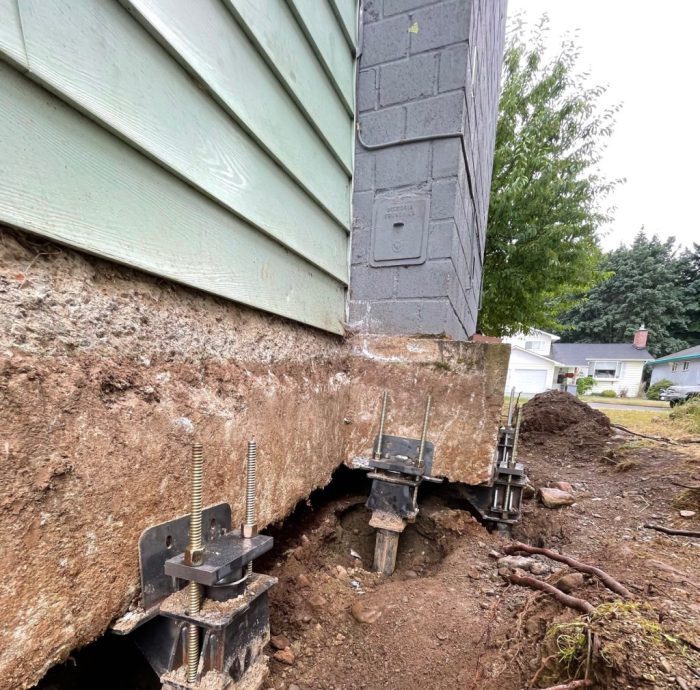
When it comes to foundation repair, understanding the costs involved is crucial for homeowners. While the price of repairs can vary significantly, having a general idea of typical expenses can help you prepare and budget effectively. This section will break down the costs associated with foundation repair, discuss the factors influencing these costs, and offer tips for financing the necessary work.
Typical Costs of Foundation Repair
Foundation repair costs can range widely based on various factors, including the type of repair needed and the extent of the damage. Below is a breakdown of typical costs you can expect during a foundation repair project:
- Minor Repairs: These usually involve small cracks and may cost between $250 and $1,000.
- Moderate Repairs: Fixing issues like moderate settling or larger cracks can cost between $1,000 and $3,000.
- Major Repairs: More extensive work, such as underpinning or slab replacement, can cost anywhere from $3,000 to $10,000 or more, depending on the severity of the problem.
Costs often include inspection fees, which can range from $300 to $800, and engineering reports, which may add another $500 to $1,000. It is important to get multiple quotes from contractors to ensure you receive a fair price for the repairs needed.
Factors Influencing the Overall Cost
Several factors can influence the overall cost of foundation repair work. Understanding these can help you prepare for potential expenses:
- Extent of Damage: The more severe the damage, the more expensive the repair will likely be.
- Type of Repair Method: Different methods, such as piering, slab jacking, or wall anchors, vary in cost. Piering is typically more expensive than other methods.
- Location: Geographic location can influence costs, as some areas have higher labor and material costs.
- Soil Conditions: Poor soil conditions may require more extensive work, thereby increasing costs.
- Accessibility: If the foundation is difficult to access, it may require additional resources or equipment, leading to higher labor costs.
Budgeting and Financing Tips
Planning ahead for foundation repair can help you manage costs effectively. Here are some tips for budgeting and financing your foundation repair:
- Get Multiple Estimates: Always seek multiple quotes from different contractors to compare prices and services.
- Consider Long-term Costs: Investing in higher-quality repairs can save you money in the long run by preventing future issues.
- Insurance Check: Review your homeowner’s insurance policy to see if it covers foundation repairs. Some policies may pay for certain types of damage.
- Financing Options: Look into financing options such as home equity loans or personal loans, which can help you spread out the costs over time.
- Emergency Fund: Setting aside an emergency fund can help cover unexpected repairs without disrupting your budget.
Preventive Measures for Foundation Maintenance
Maintaining the integrity of your foundation is essential to ensure the longevity of your home. Regular preventive measures can help avoid costly repairs and significant structural issues. By being proactive in your approach to foundation maintenance, you not only protect your investment but also enhance the safety and comfort of your living environment.Routine maintenance practices play a crucial role in preventing foundation problems.
These practices entail monitoring any signs of distress and addressing them promptly to avoid escalation. Here are some key considerations for maintaining your foundation:
Regular Maintenance Practices
Staying attentive to your foundation’s health involves several proactive measures. Regular inspections and maintenance can avert potential issues. Here are some effective practices to incorporate into your routine:
- Conduct periodic inspections of your foundation for cracks or shifts. Look for any signs of water pooling near the foundation or drainage issues.
- Monitor your home’s interior and exterior for any changes, such as doors or windows that stick, which may indicate foundation movement.
- Ensure gutters and downspouts are clean and directing water away from the foundation to prevent water accumulation.
- Maintain proper grading around your home. The ground should slope away from the foundation to facilitate effective drainage.
Landscaping Strategies for Protection
Proper landscaping can significantly contribute to the health of your foundation. Strategic plant placement and yard design can protect your home from moisture-related issues. Consider the following landscaping strategies:
- Plant trees and shrubs at a safe distance from your foundation to prevent roots from intruding into the soil and causing shifts.
- Use mulch and other organic materials to retain moisture and prevent soil erosion around your foundation.
- Install flower beds and garden features that help direct water flow away from the foundation.
- Consider using permeable paving in driveways and walkways to reduce runoff and encourage water absorption into the ground.
Seasonal Tips for Homeowners
Different seasons bring unique challenges that can impact your foundation. Here are some seasonal tips to help you maintain your foundation throughout the year:
- Spring: Inspect your home after the winter thaw. Look for any shifting or settling that may have occurred during freeze-thaw cycles.
- Summer: Ensure your irrigation systems are functioning properly to avoid over-watering, which can lead to soil expansion.
- Fall: Clean gutters and downspouts to prepare for the rainy season and ensure proper drainage.
- Winter: Insulate pipes to prevent freeze damage that can lead to water leaks and foundation erosion.
“Regular foundation maintenance not only saves costs but also preserves the safety and value of your home.”
By adopting these preventive measures, you can significantly reduce the risk of foundation issues and ensure the long-term stability of your home. Regular maintenance, strategic landscaping, and seasonal care are integral components of a robust foundation management plan.
DIY vs Professional Foundation Repair
When it comes to addressing foundation issues, homeowners often find themselves weighing the options of DIY repair against hiring a professional. Each approach comes with its own set of advantages and disadvantages, making it crucial to understand the implications of your decision. This section will break down the key factors to consider when choosing between tackling the repairs yourself or enlisting the help of a trained expert.
Advantages and Disadvantages of DIY Foundation Repair
Opting for DIY foundation repair can be tempting, especially for those who enjoy home improvement projects and wish to save on costs. However, it’s important to recognize the limitations and potential pitfalls of this approach. Here are some pros and cons to consider: Advantages:
- Cost Savings: Handling repairs yourself can significantly reduce labor costs associated with hiring professionals.
- Control Over the Project: You have the flexibility to work at your own pace and on your own schedule.
- Skill Development: DIY repairs can enhance your home improvement skills, giving you more confidence for future projects.
Disadvantages:
- Risk of Incorrect Repairs: Without proper knowledge, you might misdiagnose the problem or implement ineffective solutions, leading to more extensive damage.
- Time-Consuming: DIY repairs can take longer than anticipated, especially if you encounter unforeseen complications.
- Safety Concerns: Some foundation repair tasks can be physically demanding and hazardous without the right tools and expertise.
Real-Life Experiences of DIY vs Professional Services
Many homeowners have shared their experiences regarding DIY foundation repairs versus hiring professionals. For example, one homeowner attempted to stabilize a settling foundation using foam injection techniques they discovered online. Initially, the project seemed successful; however, within a few months, the foundation began to shift again. Ultimately, they had to hire a professional team, which identified underlying issues that were missed during the DIY assessment.
Conversely, another family hired a foundation repair contractor to address severe cracks in their basement. The experts utilized advanced techniques such as underpinning and wall anchors, ensuring a long-lasting solution. The peace of mind that came from knowing the job was done right was worth the investment for them.
Guidelines for When DIY Repairs Are Feasible
While DIY repairs can be suitable for minor issues, certain guidelines can help determine when to proceed with caution. Here are a few considerations:
- Minor Issues: If the foundation problems are limited to small cracks or minor settling and do not affect structural integrity, DIY solutions like crack fillers may suffice.
- Knowledge and Skills: If you have previous experience and a solid understanding of foundation issues, you may tackle simple repairs confidently.
- Access to Tools: Having the necessary tools and resources can make DIY repairs more viable, especially for projects like drainage improvement or simple stabilizations.
When to Seek Professional Help
In some cases, attempting DIY repairs can lead to more complications. Here are scenarios where hiring a professional is strongly recommended:
- Severe Damage: If you notice large cracks, shifting floors, or doors and windows that no longer align, these are signs of serious foundation issues that require expert intervention.
- Structural Concerns: If any part of your home is at risk of collapse or significantly affected by foundation problems, immediate professional help is essential.
- Lack of Experience: If you feel overwhelmed or unsure about the repair process, it’s best to leave it to trained professionals who can ensure a proper resolution.
“Foundation repairs done correctly the first time can save homeowners from future complications and costs.”
Impact of Climate on Foundation Integrity
Understanding the climate’s impact on foundation integrity is essential for homeowners. Various weather conditions can exert significant stress on a home’s foundation, leading to structural issues over time. This section delves into how different climates affect foundations, the challenges posed by extreme weather, and effective strategies for mitigation.
Effects of Different Climates on Foundations
Different climates impose unique stresses on foundations due to variations in temperature, moisture, and soil composition. In regions with high humidity, for instance, excessive moisture can lead to soil expansion and contraction, potentially causing heaving and settling of the foundation. Conversely, in arid climates, the lack of moisture can result in soil shrinkage, which may create voids beneath the foundation and lead to settling.For example, homes in freeze-thaw zones, where temperatures fluctuate above and below freezing, face distinct challenges.
The repeated freezing and thawing can cause the ground to shift and expand, putting additional pressure on the foundation. This is particularly evident in areas like the Midwest United States, where frost heave can raise the foundation and create cracks in the walls.
Challenges Posed by Extreme Weather Conditions
Extreme weather conditions such as heavy rainfall, droughts, and severe storms can lead to significant challenges for foundation integrity. Heavy rains can saturate the ground, resulting in erosion, increased hydrostatic pressure, and potential flooding of basements. On the other hand, prolonged drought conditions can dry out the soil, leading to shrinkage and ground movement that can compromise the foundation’s stability.Severe storms, including hurricanes and tornadoes, pose additional threats.
High winds can shift the ground beneath a foundation, while flooding can result in water pooling around the foundation, leading to long-term damage. As seen in areas affected by hurricanes, such as New Orleans, homes can sustain severe foundation damage due to rapid flooding and subsequent drying processes.
Strategies for Mitigating Climate-Related Foundation Issues
Mitigating climate-related foundation issues requires proactive measures to protect your home. Here are several effective strategies:
1. Improved Drainage Systems
Installing gutters, downspouts, and proper drainage systems can help redirect water away from the foundation. This is crucial in preventing moisture buildup that can compromise foundation integrity.
2. Soil Stabilization Techniques
Utilizing soil stabilization methods such as chemical grouting or compaction can enhance the soil’s load-bearing capability, reducing the risk of settlement in drought-prone areas.
3. Foundation Waterproofing
Waterproofing the foundation can safeguard against moisture intrusion, especially in flood-prone regions. This can include applying sealants and creating barriers to prevent water seepage.
4. Regular Inspections and Maintenance
Routine inspections of the foundation and surrounding landscape can identify early signs of issues. Homeowners should regularly check for cracks, settling, or other signs of distress.
5. Landscaping Adjustments
Modifying the landscape around the home can help manage water flow. Gradually sloping the ground away from the foundation ensures that water drains away effectively.
6. Planting Tree Roots Wisely
Planting trees at a safe distance from the foundation can prevent root intrusion, which can disrupt the soil and lead to foundation instability.By implementing these strategies, homeowners can significantly enhance their foundation’s resilience against climate-related challenges. It’s important to remember that a well-maintained foundation is key to ensuring the longevity and safety of a home.
Innovations in Foundation Repair Technology
The field of foundation repair is experiencing groundbreaking advancements that are reshaping the way we address structural issues in our homes. With the integration of new materials and technologies, homeowners now have access to solutions that are not only more effective but also less invasive and more sustainable. Innovations in this area ensure that repairs are quicker, more efficient, and ultimately more reliable.Recent developments in foundation repair technology have introduced a variety of techniques and materials that improve the overall effectiveness of repair processes.
These advancements stem from a combination of engineering ingenuity and the increasing demand for durability and longevity in construction practices. Enhanced materials, like high-strength polymers and advanced concrete mixtures, offer superior resilience against environmental stressors. Moreover, technological tools such as drones and 3D imaging are revolutionizing site assessments, allowing for precise measurements and tailored repairs.
Innovative Solutions and Their Benefits
The latest innovations in foundation repair encompass a range of solutions that cater to different types of structural problems. Here are some notable advancements:
Helical Piers
These are advanced support systems that provide stable foundation support without the need for extensive excavation. They are particularly useful in unstable soil conditions and can be installed quickly, minimizing disruption to the surrounding landscape.
Polyurethane Foam Injection
This method involves injecting high-density foam into voids beneath the foundation. The foam expands and hardens, lifting the foundation and filling gaps. This technique is less invasive compared to traditional methods and offers quick results, often completed within a day.
Concrete Stabilization with Geo-Polymer Technology
This innovative approach uses geo-polymer materials, which are less toxic and have a smaller carbon footprint than traditional concrete. They provide superior strength and resilience, making them ideal for long-term repairs.
Foundation Monitoring Systems
Smart technology now allows homeowners to monitor their foundation’s condition in real-time. Sensors can detect movement or settling, alerting homeowners to potential issues before they escalate, facilitating timely interventions.These innovative solutions not only streamline the repair process but also enhance the durability of repairs, providing homeowners with increased peace of mind. By adopting these technologies, homeowners can protect their investments and ensure the longevity of their properties.
Final Summary
In conclusion, understanding Foundation Repair is key to safeguarding your home against structural issues. By being proactive and informed, you can effectively address any signs of distress and choose the right solutions. Remember, your foundation is the cornerstone of your home, and taking the right steps today will provide peace of mind for tomorrow.
FAQ
What are the common signs of foundation problems?
Common signs include cracks in walls or floors, doors and windows that stick, uneven floors, and gaps around windows or doors.
How long does foundation repair usually take?
The duration depends on the severity of the problem and the method used, but it typically ranges from a few days to several weeks.
Can I finance foundation repairs?
Yes, many contractors offer financing options or payment plans to help homeowners manage costs.
Are DIY foundation repairs recommended?
DIY repairs can be risky and are generally not recommended unless you have specific skills and experience; professional help is often better for significant issues.
What is the average cost of foundation repair?
Costs can vary widely, but typical foundation repairs can range from $2,000 to $7,000, depending on the nature of the issues.


