
Incorporating advanced technology into homes for improved automation and efficiency opens up a world of possibilities that can transform how we live. With smart devices becoming more accessible, homeowners can enhance their daily routines and create a more convenient, safer, and efficient living environment.
From smart lighting to advanced security systems, the landscape of home automation is continuously evolving, offering innovative solutions that not only save energy but also add a layer of comfort and control to our lifestyles. This journey into the realm of automated living invites you to explore the future of home technology.
Overview of Advanced Home Technology
Advanced technology in the context of home automation refers to the integration of smart devices and systems that enhance the management and control of household functions. This innovative approach not only simplifies daily activities but also significantly boosts energy efficiency, security, and comfort in homes. The rise of advanced technology has transformed traditional living spaces into interconnected environments that respond to the needs of their inhabitants.Incorporating technology into homes plays a crucial role in driving efficiency across various aspects of daily life.
With the advent of the Internet of Things (IoT), devices can communicate with each other and can be controlled remotely, bringing unparalleled convenience and energy savings. For instance, smart thermostats learn user preferences and adjust heating and cooling automatically, contributing to lower energy bills. The evolution of home automation technologies has been remarkable, evolving from simple programmable timers to sophisticated systems that utilize artificial intelligence and machine learning.
History of Home Automation Technologies
Understanding the journey of home automation technologies provides insight into the capabilities we have today. In the early days, home automation primarily consisted of basic electrical timers and remote controls, allowing for minimal automation, such as timed lighting or simple device operation. As technology advanced, the 1980s saw the introduction of home networking, allowing devices to connect through a centralized hub.
The 1990s and early 2000s marked a significant shift with the rise of the internet, enabling remote access and control of home devices through web interfaces. The introduction of smartphones provided an additional layer of convenience, allowing users to manage their home systems from anywhere. Presently, smart home devices like smart speakers, security systems, and energy management tools exemplify the culmination of decades of technological progress.
They utilize voice recognition, machine learning, and cloud computing to deliver seamless experiences.
“The future of home automation lies in the harmonious integration of technology into everyday life.”
With ongoing advancements, such as the development of 5G networks and enhanced AI capabilities, the future of home automation promises even greater efficiency and convenience, transforming how we interact with our living spaces.
Types of Smart Home Devices
Smart home devices have rapidly evolved over the years, making it easier for homeowners to manage their living spaces with convenience and efficiency. These devices not only enhance comfort but also promote energy savings and security. Understanding the various types of smart home devices helps in making informed decisions about which technologies to incorporate into your home.Smart home devices can be categorized into several key areas, with each category serving distinct purposes.
By exploring these categories, we can gain insights into the popular devices available today and their specific functionalities.
Lighting Devices
Smart lighting systems allow for enhanced control over home lighting, integrating features like remote access, scheduling, and automation. These systems can significantly improve energy efficiency and create a tailored ambiance for any occasion. Some popular smart lighting options include:
- Philips Hue: A versatile smart bulb system that can be controlled via an app to change brightness and color, set schedules, and create scenes.
- Wyze Bulbs: Affordable smart bulbs that offer app control and voice integration with platforms like Alexa and Google Assistant.
- LIFX: Wi-Fi-enabled bulbs allowing for direct control without a hub, featuring millions of colors and customizable brightness levels.
Security Devices
Enhancing home security is a primary concern for many homeowners. Smart security devices provide real-time monitoring, alerts, and control, ensuring peace of mind. Key products in this category include:
- Ring Video Doorbell: A doorbell that features a camera, motion detection, and two-way audio for communicating with visitors remotely.
- August Smart Lock: This device allows keyless entry and remote access, enabling users to lock or unlock doors from their smartphones.
- Arlo Pro Cameras: Wireless security cameras that offer high-definition video, night vision, and motion alerts, perfect for monitoring both indoors and outdoors.
HVAC Systems
Smart HVAC systems play a crucial role in regulating home temperature, improving comfort while reducing energy costs. These systems often come with programmable features and remote access. Notable examples include:
- Nest Learning Thermostat: This smart thermostat learns user preferences and automatically adjusts the heating and cooling to optimize energy usage.
- Ecobee SmartThermostat: Offers a built-in Alexa voice service along with occupancy sensors to help manage energy consumption efficiently.
- Honeywell Home T9: A thermostat that can manage multiple rooms with smart sensors, adjusting settings based on the occupancy and temperature preferences.
Smart Appliances
Modern smart appliances not only add convenience to everyday tasks but also improve energy efficiency. These devices can be connected to Wi-Fi and often feature smart technology for enhanced functionalities. Examples include:
- Samsung Smart Fridge: This fridge features a touchscreen interface, internal cameras, and can track groceries, making meal planning easier.
- LG Smart Oven: An oven that can be controlled via an app, allowing users to preheat or set cooking times remotely.
- Whirlpool Smart Washer: This washing machine enables remote monitoring and control, along with diagnostic features to alert users to any issues.
“Incorporating smart appliances can lead to significant time savings and a reduction in household energy usage.”
Benefits of Home Automation
Home automation is revolutionizing the way we interact with our living spaces, making them more efficient, secure, and convenient. By integrating advanced technology into everyday routines, homeowners can enjoy a myriad of advantages that enhance quality of life. Let’s explore how these benefits unfold in various aspects of home management.
Impact on Energy Efficiency
Home automation significantly contributes to energy efficiency, leading to cost savings and a reduced carbon footprint. Smart devices can monitor and manage energy consumption, ensuring that power is used only when necessary. For instance, smart thermostats can learn your schedule and adjust heating or cooling settings accordingly, which can reduce heating and cooling costs by up to 30%. Consider these automated features that bolster energy efficiency:
- Smart Lighting: Lights can be scheduled to turn off automatically during the day or when no one is home, minimizing wasted energy.
- Energy Monitoring Systems: These devices provide insights into energy usage patterns, enabling homeowners to make informed decisions about their consumption.
- Smart Plugs: These allow you to remotely control appliances, ensuring they are turned off when not in use, thus preventing phantom energy loss.
Enhancement of Security and Safety
Automated home systems have a profound impact on safety and security, offering peace of mind whether you’re at home or away. Smart security systems include features such as video surveillance, automated door locks, and alarms that can be monitored remotely. Key aspects of enhanced security through automation include:
- Remote Monitoring: Homeowners can view live feeds from security cameras via their smartphones, allowing them to keep an eye on their property in real-time.
- Automated Alerts: Systems can send notifications of suspicious activity directly to your device, providing immediate awareness of potential threats.
- Smart Locks: These locks can be controlled remotely, allowing you to grant access to guests or service providers without needing to be physically present.
Convenience of Smart Technologies for Daily Tasks
The convenience that smart home technologies provide makes daily tasks easier and more efficient. From controlling lighting and temperature to managing appliances, automation simplifies life in a busy household.Important conveniences that smart technologies offer include:
- Voice Control: Devices can often be controlled through voice commands, allowing for quick adjustments without manual interaction.
- Remote Access: Homeowners can manage their home systems from anywhere, enabling control over appliances, lighting, and security on the go.
- Integration with Other Systems: Smart home devices can work together, streamlining tasks; for example, when you leave home, your system can automatically lock the doors, turn off lights, and adjust the thermostat all at once.
Embracing home automation not only leads to enhanced efficiency but also transforms the way we experience comfort and safety in our everyday lives.
Challenges in Implementing Advanced Technologies
Integrating advanced technology into homes offers a multitude of benefits, but it also presents several challenges that can deter homeowners from fully embracing smart home solutions. Understanding these barriers is crucial for anyone considering an upgrade to their living space. One of the primary hurdles in adopting smart home technology is the variety of issues that can arise during implementation.
These obstacles can range from the initial costs involved to ongoing maintenance requirements, as well as concerns regarding privacy and security. It’s important to take a closer look at these elements to make informed decisions about home automation.
Barriers to Adopting Smart Home Technology
Many homeowners encounter various barriers when considering the transition to smart home technology. Recognizing these barriers can help navigate the complexities involved in adoption. Common barriers include:
- High Initial Costs: The upfront investment for smart devices and systems can be significant, deterring potential users. For instance, a comprehensive home automation system can cost several thousand dollars to install, depending on the complexity and number of devices.
- Lack of Familiarity: Many individuals may feel overwhelmed by the technology and unsure about how to set up or use smart devices effectively.
- Interoperability Issues: Different brands may use incompatible systems, making it difficult to integrate devices from various manufacturers.
- Limited Technical Support: Some users may find it hard to get help when problems arise, leading to frustration and abandonment of the technology.
Privacy and Security Concerns
Privacy and security issues are significant considerations for homeowners contemplating smart technology. Many smart devices continuously collect data, raising concerns about how that data is used and stored. Important factors include:
- Data Vulnerability: Smart devices can be susceptible to hacking, potentially exposing personal information or allowing unauthorized control over home systems.
- Surveillance Risks: Cameras and microphones in devices raise questions about surveillance and privacy, as they can be hacked or misused.
- Lack of User Control: Many devices require internet connectivity to function, which can lead to potential loss of control over personal data and privacy settings.
Costs and Maintenance of Advanced Home Systems
Beyond initial setup costs, maintaining advanced home systems can involve ongoing expenses and technical challenges. These components are essential to understand for long-term planning:
- Subscription Fees: Some smart home services charge monthly fees for cloud storage or premium features, adding to overall costs.
- Regular Updates: Software and firmware updates are necessary to keep devices secure, requiring occasional attention from users.
- Replacement Parts: As technology evolves, older devices may need to be replaced or upgraded, which can incur additional costs.
Integrating Advanced Technology into Existing Homes
Integrating advanced technology into existing homes can transform everyday living into a more efficient and comfortable experience. Combining modern advancements with traditional setups doesn’t have to be daunting. With a systematic approach, homeowners can enhance their living spaces and enjoy the benefits of automation.Assessing current home systems is the first crucial step in identifying upgrade opportunities. This involves a thorough examination of existing electrical, plumbing, and heating systems to determine compatibility with new smart devices.
Understanding what you already have can guide you in selecting technology that will mesh well with your current setup.
Assessing Current Home Systems
Before diving into upgrades, it’s essential to evaluate your home’s existing systems. This assessment helps to pinpoint which areas would benefit from smart technology. Key steps include:
- Conducting a comprehensive home audit focusing on electrical capacity and wiring. This ensures your home can handle additional devices without overloading circuits.
- Evaluating current appliances and fixtures to determine if they can be upgraded or integrated with smart technology. Look for compatibility with systems like Wi-Fi or Bluetooth.
- Identifying any outdated systems that may require replacement before integrating new technologies. Older heating or cooling systems might not support modern smart thermostats effectively.
Seamlessly Integrating New Smart Devices
Once you’ve assessed your home, the next step is integrating new devices. The goal is to ensure a smooth transition that enhances your living environment without causing disruptions. To achieve seamless integration, consider:
- Starting with a central hub that connects all devices. This allows for unified control and can help mitigate issues related to device incompatibility.
- Utilizing smart devices with user-friendly interfaces. Opt for products designed to work effortlessly together, which simplifies the installation and user experience.
- Gradually introducing devices into your home. Begin with key areas like lighting or security, allowing you to adapt to changes without feeling overwhelmed.
Importance of Compatibility Between Different Smart Home Technologies
Compatibility among various smart devices is pivotal for a successful automation experience. Without it, the potential for frustration increases, and the system may not function as intended. Key considerations for ensuring compatibility include:
- Researching device ecosystems before purchasing. Products from the same brand often work better together, minimizing compatibility issues.
- Checking support for common standards such as Zigbee, Z-Wave, and Wi-Fi. Devices that adhere to these protocols can communicate more effectively.
- Utilizing apps or platforms that support multiple devices. Systems such as Google Home or Amazon Alexa enable management of diverse brands and devices under one interface.
“Compatibility is the key to unlocking the full potential of smart home technology.”
With careful assessment and a strategic approach to integration, homeowners can enjoy the myriad benefits that advanced technology brings to their daily lives.
Future Trends in Home Automation
As the world continues to embrace technological advancements, the future of home automation is poised to be more innovative and efficient than ever. Emerging technologies such as artificial intelligence (AI) and the Internet of Things (IoT) are set to redefine how we interact with our living spaces. These advancements promise to enhance convenience, security, and energy management in our homes, leading to a smarter and more sustainable lifestyle.The integration of AI and IoT in home automation is not just a trend; it is becoming a necessity for modern living.
AI’s ability to learn from user behavior and preferences allows for more personalized automation experiences. Meanwhile, IoT connects various devices, enabling them to communicate and work together seamlessly. This synergy creates a cohesive smart home ecosystem that can adapt to our needs.
Emerging Technologies Influencing Home Automation
Innovative technologies are rapidly transforming the landscape of home automation. Here are some key advancements to watch for:
- Artificial Intelligence (AI): AI algorithms enhance the functionality of smart home devices by enabling predictive analytics. For instance, smart thermostats can learn your schedule and adjust temperatures accordingly, leading to energy savings.
- Internet of Things (IoT): IoT connects household devices, allowing them to communicate and be controlled from a single platform. This integration simplifies user experience and offers holistic management of home systems.
- Voice Assistants: The rise of voice-activated technologies, like Amazon Alexa and Google Assistant, allows for hands-free control of home devices, making automation more accessible and user-friendly.
- Advanced Sensors: Enhanced sensors can monitor environmental factors such as light, temperature, and humidity, allowing for more efficient energy management and proactive maintenance of appliances.
Advancements in Energy Management
Energy management is a crucial aspect of smart homes, and future advancements are likely to focus on enhancing efficiency and sustainability. Innovations in this area may include:
- Smart Grids: Future homes will likely connect to smart electrical grids that optimize energy consumption. They can communicate with local utilities to increase energy efficiency and reduce costs.
- Energy Monitoring Systems: Advanced energy monitoring systems will provide real-time data on energy usage, allowing homeowners to make informed decisions about their consumption and identify opportunities for savings.
- Home Energy Management Systems (HEMS): These systems will enable homeowners to control and automate energy use throughout their home, coordinating the operation of appliances based on energy rates and availability.
Visions for Fully Integrated Smart Living Spaces
The future of living spaces will be characterized by fully integrated smart technology, creating a harmonious blend of comfort, efficiency, and sustainability. Here are some components of this vision:
- Seamless Integration: Homes will feature systems that work in concert, from security to lighting to climate control, all managed through a single app or interface.
- Personalization: With advanced AI, homes will recognize individual preferences and adjust settings automatically, enhancing the living experience tailored to each resident.
- Sustainability: Future homes will prioritize eco-friendly technologies, such as solar panels and rainwater harvesting systems, contributing to reduced environmental impact.
- Health and Wellness Features: Integrated systems will monitor air quality, lighting, and even sleep patterns, supporting the health and well-being of occupants.
“The future of home automation lies in creating a seamless ecosystem where technology enhances our lives while promoting sustainability and comfort.”
Case Studies of Successful Smart Home Implementations
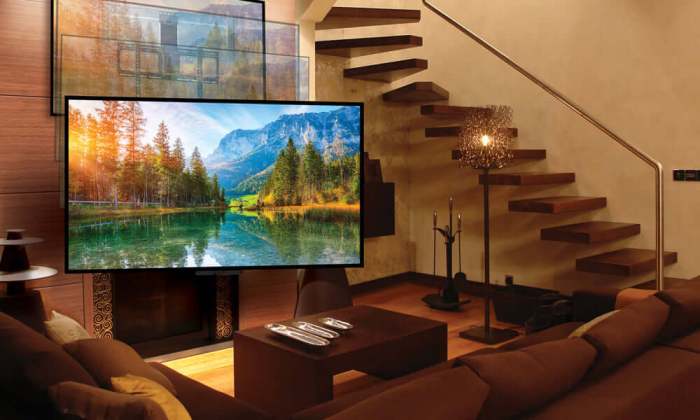
The integration of advanced technology into homes has transformed the way we live, offering enhanced automation and efficiency. By examining real-world examples of smart home implementations, we can better understand the tangible benefits these technologies bring. From energy savings to improved convenience, successful case studies provide insights into how homeowners are leveraging smart technology to enhance their living spaces.
Example of a Smart Home Transformation
One notable case study is the McCarthy family’s home in San Diego, California. The family undertook a comprehensive smart home renovation that included smart thermostats, lighting systems, and security devices. The total investment in technology amounted to approximately $20,000. The measurable impact of this transformation was substantial:
- Energy Savings: The family reported a 30% decrease in their monthly energy bills due to the efficiency of the smart thermostat and automated lighting systems.
- Enhanced Security: With smart locks and surveillance cameras, the family noted a reduction in security incidents in their neighborhood, providing peace of mind.
- Improved Convenience: Voice-activated assistants and home automation routines streamlined daily tasks, saving the family an average of 10 hours each week that they previously spent managing household activities.
This case exemplifies how strategic investments in technology can yield significant benefits in both the short and long term.
Lessons Learned from Smart Home Implementations
The McCarthy family’s experience offers valuable lessons for others considering smart home technology. Understanding these lessons can facilitate smoother transitions and better outcomes in future projects:
- Start Small: Beginning with a few key devices can help homeowners gradually acclimate to the technology and assess its impact before making larger investments.
- Prioritize Compatibility: Ensuring that devices are compatible with one another can prevent integration issues and enhance overall functionality.
- Focus on User Experience: Selecting user-friendly interfaces and controls encourages family members to fully engage with the technology, leading to higher satisfaction and more effective use.
- Regular Updates: Keeping software and firmware updated can enhance security and performance, ensuring that the smart home systems continue to function optimally over time.
These lessons can guide future implementations, ensuring that homeowners maximize the benefits of advanced technologies in their living spaces.
Impact on Energy Consumption in Smart Homes
Another compelling case study involves a smart home project completed in Austin, Texas. This home implemented solar panels alongside smart energy management systems to optimize energy consumption. The results were outstanding:
- Energy Independence: The homeowners achieved 75% energy independence, significantly reducing their reliance on grid power.
- Cost Reduction: The combination of solar energy and smart management led to a reduction in monthly energy costs by 50%, allowing the owners to save over $200 each month.
- Environmental Benefits: The home’s transition to renewable energy sources reduced its carbon footprint by an estimated 3 tons annually, contributing positively to environmental sustainability.
This case study highlights the critical role that advanced technology can play in promoting energy efficiency and sustainability in modern homes.
Future Considerations for Smart Home Projects
As the industry evolves, several considerations can guide future smart home implementations:
- Focus on Scalability: Planning for future upgrades and expansions ensures that homes can adapt to emerging technologies without requiring a complete overhaul.
- Incorporate Artificial Intelligence: Leveraging AI can enhance automation capabilities, tailoring responses to individual preferences and habits over time.
- Engage with Professionals: Partnering with experienced smart home integrators can streamline the implementation process and result in a more cohesive system.
By understanding the successes and challenges faced in these case studies, homeowners and developers can navigate the smart home landscape more effectively, paving the way for a more automated and efficient future.
DIY vs. Professional Installation
When it comes to incorporating advanced technology into homes, one of the key decisions homeowners face is whether to tackle installation themselves (DIY) or hire professionals. Both approaches have their advantages and drawbacks, and understanding these can help you make the best choice for your specific situation.The decision between DIY and professional installation hinges on several factors, including complexity, cost, time, and personal comfort with technology.
DIY enthusiasts often appreciate the cost savings and hands-on experience, while professional services can provide expertise and efficiency, especially for complex systems. Evaluating your skills, the technology involved, and your budget will guide your choice.
Pros and Cons of DIY Home Automation Installation
Going the DIY route can be rewarding and budget-friendly. However, it does come with its challenges. Here’s a breakdown of the pros and cons: Pros:
- Cost Savings: DIY installations can save you money on labor costs. Many smart devices come with user-friendly manuals and online tutorials that make it easier to install them without professional help.
- Flexibility: You have complete control over the installation timeline, allowing you to work at your own pace and fit the project into your schedule.
- Learning Experience: Undertaking the installation yourself can increase your knowledge of home automation, giving you a better understanding of how your devices work.
Cons:
- Time-Consuming: Depending on your skill level and the complexity of the system, installations can take much longer than anticipated.
- Potential for Errors: Mistakes during installation could lead to malfunctioning systems, necessitating costly repairs or professional assistance later.
- Limited Support: While many devices offer online resources, you won’t have the same level of support or troubleshooting that comes with hiring a professional.
When to Hire Professionals for Advanced Technology Integration
In certain scenarios, hiring experts for installation can be a more prudent decision. Here are some considerations that suggest when professional help is advisable:
- Complex Systems: If you’re integrating multiple devices or complex technologies—like a comprehensive home security system or a full smart home suite—professionals can ensure everything works seamlessly.
- Electrical and Structural Modifications: In cases where installation requires significant changes to wiring or home structure, licensed professionals should handle the work to adhere to safety codes and regulations.
- Time Constraints: If your schedule is tight and you’re unable to dedicate sufficient time to the project, hiring professionals can save you from unnecessary stress and delays.
Tips for DIY Enthusiasts and Those Considering Professional Help
Regardless of the path you choose, there are best practices to follow for smoother installations: For DIY Enthusiasts:
- Research Thoroughly: Before starting your project, understand the devices you’re working with and the installation requirements. Online forums, video tutorials, and manufacturer guidelines can be valuable resources.
- Start Small: If you’re new to home automation, begin with simpler devices to build confidence before tackling more complex installations.
- Keep Documentation Handy: Save all manuals and troubleshooting guides for future reference, especially if you run into issues later.
For Those Considering Professional Help:
- Get Multiple Quotes: Don’t settle for the first estimate. Consult multiple professionals to compare pricing and services offered.
- Check Credentials: Ensure that the professionals you hire have the necessary licenses, certifications, and positive reviews from previous clients.
- Discuss Long-term Support: Ask about ongoing support or maintenance plans after installation to ensure your smart home continues to function optimally.
Resources for Homeowners
As homeowners embrace the benefits of advanced technology in their living spaces, having access to reliable resources is essential. With the rapid evolution of smart home devices and automation systems, being informed allows homeowners to make educated decisions about their investments. This section provides a curated list of websites, community resources, and educational materials that can guide homeowners on their journey to a smarter home.
Websites and Platforms for Researching Smart Home Technologies
The internet is filled with platforms that offer in-depth information about smart home technologies. These resources can help homeowners stay updated on the latest advancements and trends.
- Consumer Reports: An excellent resource for unbiased reviews and comparisons of smart home devices, helping homeowners make informed purchasing decisions.
- Smart Home Solver: This website provides tutorials, guides, and reviews focused on home automation, making it a great starting point for beginners.
- CNET Smart Home: Known for tech reviews, CNET features a dedicated section for smart home technology, covering product releases, news, and how-tos.
- The Verge – Smart Home: Offers news and articles on the latest smart home gadgets, along with insights on how they can integrate into everyday living.
Community Resources and Forums for Homeowners
Engaging with communities that share a passion for home automation can be incredibly beneficial. Homeowners can ask questions, share experiences, and learn from others who have already navigated the world of smart technology.
- Reddit – r/HomeAutomation: A vibrant forum where users discuss topics ranging from device recommendations to troubleshooting tips.
- SmartThings Community: A dedicated platform for users of SmartThings, where they can connect, share ideas, and get support from fellow homeowners.
- Home Assistant Community: A forum for users of the Home Assistant software, focusing on tips for automation, integrations, and DIY projects.
- AVS Forum: Primarily focused on audio and video technologies, it has sections that cover smart home integration, automation systems, and user experiences.
Recommendations for Books and Online Courses About Home Automation
Books and online courses can provide structured learning opportunities for homeowners interested in deepening their understanding of smart home technologies. Whether you are a beginner or looking to enhance your skills, consider the following resources:
- “Smart Home Automation with Linux and Raspberry Pi”: This book offers practical solutions and projects that utilize Linux and Raspberry Pi for home automation.
- “Home Automation for Dummies”: A beginner-friendly guide that covers various aspects of home automation, including device selection and setup.
- Online Course – “Home Automation Basics: The Complete Guide”: Available on platforms like Udemy, this course covers everything from the basics to advanced automation techniques.
- Book – “The Smart Home Manual”: This comprehensive manual provides insights into the smart home ecosystem and full implementation strategies.
Last Recap
In summary, the integration of advanced technology into our homes marks a significant shift toward smarter living. As we embrace these innovations, we are not only enhancing our convenience but also paving the way for a more efficient and secure future. Whether you choose DIY solutions or professional installations, the benefits of home automation are undeniable, making it an exciting time to explore what technology can do for your living space.
FAQ Summary
What are smart home devices?
Smart home devices are electronic gadgets that connect to the internet and can be controlled remotely, allowing for enhanced automation and efficiency in daily tasks.
How can home automation save energy?
Home automation can save energy by optimizing the use of appliances and systems, such as adjusting heating and lighting based on occupancy or time of day.
Is it easy to integrate smart devices into an existing home?
Yes, many smart devices are designed for easy integration and can often work with existing home systems, but checking for compatibility is important.
Are there privacy concerns with smart home technology?
Yes, privacy concerns exist as smart devices can collect data about your habits and routines; therefore, it’s essential to secure your devices and be aware of privacy settings.
What are common barriers to adopting smart home technology?
Common barriers include high costs, lack of technical knowledge, and concerns about privacy and security.


