Reprocessing construction debris into reusable materials to reduce landfill waste opens up a fascinating discussion on sustainability in the construction industry. This topic not only highlights the importance of minimizing environmental impact but also showcases innovative ways to transform waste into valuable resources. With construction sites generating a significant amount of debris, understanding how to reprocess these materials can lead to both economic and ecological benefits.
From wood and metal to concrete, various types of construction debris can be effectively reprocessed, offering a second chance for materials that would otherwise end up in landfills. As we delve into the methods, technologies, and potential uses for these reprocessed materials, it becomes clear that reprocessing is not just a trend; it’s a necessary step towards a more sustainable future in construction.
Introduction to Reprocessing Construction Debris
Reprocessing construction debris plays a vital role in promoting environmental sustainability. As urban development continues to expand, so does the volume of waste generated on construction sites. By reprocessing this debris, we not only reduce the strain on landfills but also contribute to the circular economy, where materials are reused and repurposed rather than discarded.Construction sites commonly generate various types of debris, which can include concrete, wood, metal, glass, and drywall.
Each of these materials offers opportunities for reprocessing that can significantly mitigate the impact of waste on the environment. For instance, concrete can be crushed and reused as aggregate in new construction, while wood can be repurposed for furniture or other building materials.
Types of Construction Debris
Understanding the different types of construction debris is essential for effective reprocessing. The most common materials found at construction sites include:
- Concrete: Often the most significant percentage of debris, it can be crushed and reused in a variety of applications, including road base and new concrete production.
- Wood: This includes lumber scraps and formwork, which can be recycled or repurposed into new products or biomass fuel.
- Metals: Scrap metals like steel and aluminum can be melted down and remade into new products, reducing the need for virgin materials.
- Drywall: Gypsum from drywall can be recycled into new drywall or used in agricultural applications.
- Glass: Waste glass can be crushed and used in new construction materials or as decorative aggregates.
Reprocessing construction debris not only addresses the immediate issue of waste disposal but also has long-term benefits. Reducing landfill waste through effective debris management can lead to:
- Environmental Protection: Less waste in landfills means reduced greenhouse gas emissions, which is vital for combating climate change.
- Resource Conservation: By reusing materials, we lessen the demand for new raw materials, preserving natural resources.
- Economic Benefits: Reprocessing creates opportunities for local businesses involved in recycling and repurposing materials, contributing to the economy.
- Job Creation: The recycling industry can generate jobs in collection, sorting, and processing of construction debris.
A study by the Environmental Protection Agency estimates that construction and demolition debris can account for up to 20-30% of all waste going to landfills.
By focusing on the reprocessing of construction debris, we can foster a more sustainable approach to construction that significantly minimizes environmental impact while maximizing resource use.
Methods of Reprocessing Construction Debris
Reprocessing construction debris involves several innovative techniques aimed at transforming waste into reusable materials. By adopting these methods, construction sites can significantly reduce their environmental footprint while promoting sustainability in the industry. The key to effective reprocessing lies in understanding how to efficiently manage and convert debris into valuable resources.
Crushing and Shredding Techniques
Crushing and shredding are primary techniques utilized in the reprocessing of construction materials. These methods break down large waste pieces into smaller, manageable sizes, facilitating easier transport and further processing. The importance of these techniques cannot be overstated, as they enable the recovery of materials that would otherwise be lost to landfills.
Crushing typically involves the use of hydraulic or mechanical crushers designed to reduce concrete, asphalt, and other materials into aggregate. Shredding, on the other hand, focuses on cutting materials like wood and metals into smaller shreds. Here are some common types of machinery used in these processes:
- Jaw Crushers: These machines crush materials by applying a compressive force. They are particularly effective for hard materials such as granite and concrete.
- Impact Crushers: Designed for softer materials, these crushers utilize high-speed impacts to break down debris.
- Shredders: These machines are essential for processing wood waste, metal scraps, and other softer materials into smaller fragments.
Sorting and Separating Materials
Before reprocessing construction debris, sorting and separating materials are critical steps in the overall process. Proper segregation ensures that different types of materials are handled appropriately, maximizing the effectiveness of reprocessing efforts and minimizing contamination. This step is essential for achieving high-quality recycled materials.
Sorting can be accomplished through manual labor or automated systems, and it typically includes the identification of various waste types such as:
- Concrete and Masonry: These materials can be crushed and reused as aggregate in new concrete mixes.
- Wood: Often recycled into mulch or engineered wood products.
- Metals: Easily separated using magnets and can be melted down and reformed into new products.
Efficient sorting and separation increase the potential for material recovery, leading to reduced landfill waste and enhanced sustainability.
In addition to manual sorting, advanced technologies like conveyor belts equipped with sensors and air classifiers can speed up the process and improve accuracy. As a result, construction sites can better manage their waste and contribute to a circular economy by transforming discarded materials into valuable resources.
Types of Reusable Materials from Construction Debris
Construction debris is often perceived as waste, but it can be a treasure trove of reusable materials that significantly contribute to sustainability. By reprocessing construction debris, we can recover valuable resources that would otherwise end up in landfills. This not only reduces waste but also saves on raw materials, energy, and emissions associated with new production processes.Various types of materials can be salvaged from construction debris, each with unique applications in new construction projects.
Understanding these materials and their potential uses can inspire innovative architectural solutions and promote sustainable practices in the building industry.
Common Reusable Materials
A range of materials can be recovered from construction debris, each offering different benefits and applications. The following list highlights some of the most common reusable materials:
- Wood: Salvaged wood can be reused for framing, flooring, or decorative features. It adds character and warmth to spaces.
- Metals: Scrap metals like steel, copper, and aluminum can be melted down and reformed for structural elements, wiring, or plumbing.
- Concrete: Crushed concrete can serve as aggregate in new concrete mixes, providing strength and durability while reducing the need for virgin materials.
- Bricks: Reclaimed bricks can be reused in new constructions or renovations, providing unique aesthetics and reducing the carbon footprint of new brick production.
- Glass: Recovered glass can be melted down for new products or used in decorative features and energy-efficient windows.
Comparison of Potential Uses of Reprocessed Materials
The table below illustrates various reprocessed materials and their potential applications in new construction projects:
| Material | Potential Uses | Benefits |
|---|---|---|
| Wood | Framing, flooring, furniture | Reduces deforestation, adds aesthetic value |
| Metals | Structural beams, plumbing, electrical | Reduces mining impact, high durability |
| Concrete | New concrete mixes, road base | Reduces landfill waste, conserves natural resources |
| Bricks | Walls, walkways, landscaping | Lower carbon footprint, unique design |
| Glass | Windows, facades, decorative elements | Enhances energy efficiency, aesthetic appeal |
Innovative Uses of Reclaimed Materials
The architectural and design communities are increasingly embracing reclaimed materials, leading to creative and sustainable uses. Some innovative applications include:
1. Architectural Features
Designers are using reclaimed wood beams as statement pieces in modern interiors, giving spaces a rustic yet contemporary feel.
2. Furniture Design
Reclaimed materials are being transformed into unique furniture items, such as tables and chairs, that tell a story through their history.
3. Landscaping
Reclaimed bricks and stones are often used in landscaping projects, creating pathways and garden walls that blend seamlessly into the natural environment.
4. Art Installations
Artists are incorporating reclaimed materials into public art installations, promoting awareness about sustainability and the importance of reusing resources.These innovative uses not only reflect a commitment to sustainability but also showcase the beauty and versatility of materials that would otherwise be discarded. By thinking outside the box, architects and designers can create functional, aesthetic, and environmentally friendly spaces.
The Role of Technology in Reprocessing
In the ever-evolving landscape of construction and waste management, technology plays a pivotal role in enhancing the efficiency of reprocessing construction debris. By integrating innovative tools and systems, companies can significantly reduce waste and transform what was once considered rubbish into valuable reusable materials. This shift toward a more sustainable approach not only benefits the environment but also contributes to cost savings and resource optimization in construction projects.Advancements in technology have revolutionized the methods used for reprocessing construction debris.
Automated systems and software applications now enable companies to streamline the sorting, processing, and tracking of materials. These technological solutions not only enhance operational efficiency but also provide data-driven insights into waste management practices.
Software and Applications for Material Tracking
Various software and applications have emerged that facilitate the management and tracking of reusable materials derived from construction debris. These tools assist contractors in optimizing their resources and ensuring that materials are repurposed effectively. The following are key features and benefits of such software:
- Real-time tracking of debris: This functionality enables users to monitor the flow of materials from construction sites to reprocessing facilities, ensuring that nothing is wasted and all materials are accounted for.
- Inventory management controls: Effective inventory management systems help organizations maintain a clear overview of available reusable materials, allowing for better planning and resource allocation.
- Reporting and analytics: Data analytics tools provide insights into waste generation patterns, helping companies identify opportunities for further recycling and repurposing operations.
- Integration with project management tools: Many applications can be integrated with existing project management software, allowing for seamless coordination and communication between teams.
Automated Systems in Sorting and Processing
The implementation of automated systems has transformed how construction debris is sorted and processed. These systems utilize advanced technologies such as machine learning, robotics, and artificial intelligence to enhance efficiency and accuracy. Here are notable examples of automation in reprocessing:
- Robotic sorting systems: These robots are designed to identify and separate different types of materials, such as wood, metals, and plastics, at high speeds, significantly reducing manual labor and increasing sorting accuracy.
- Shredders and crushers: Automated shredding and crushing machines process debris into smaller, manageable pieces, making it easier to recycle and repurpose materials. These machines can operate continuously, maximizing throughput.
- Conveyor belt systems: Automated conveyor belts transport materials from one processing stage to another, reducing handling time and minimizing the risk of damage to reusable materials.
- Monitoring systems: Advanced sensors and monitoring technology allow for real-time data collection during the processing stages, enabling operators to adjust parameters for optimal performance.
The integration of technology in reprocessing construction debris not only enhances efficiency but also contributes significantly to environmental sustainability by reducing landfill waste.
Through the application of these technologies, the construction industry is making strides toward a more sustainable future, minimizing the impact on landfills while maximizing the potential of reusable materials.
Economic Implications of Reprocessing Construction Debris
Reprocessing construction debris not only addresses environmental concerns but also offers significant economic benefits for construction companies. By transitioning from traditional disposal methods to reprocessing, firms can achieve substantial cost savings while contributing to sustainability efforts. Let’s delve into the economic aspects that make reprocessing an attractive option in the construction sector.
Cost Savings from Reusing Materials
Utilizing reprocessed materials can lead to considerable financial savings compared to conventional disposal methods. Construction companies often incur high costs associated with landfill fees and the purchase of new materials. By reprocessing, these companies can reduce expenses in several ways:
- Lower Landfill Fees: Companies save on disposal costs when they divert debris from landfills.
- Reduced Material Costs: Reusing materials such as bricks, concrete, and wood cuts expenses on sourcing new materials.
- Decreased Transportation Expenses: Local reprocessing operations minimize the transportation costs linked to hauling debris to landfills.
The cumulative effect of these cost reductions can lead to significant budgetary improvements over time.
Potential Revenue Streams from Selling Reprocessed Materials
Apart from saving costs, construction companies can create additional revenue streams by selling reprocessed materials. The market for reclaimed materials has been growing, presenting opportunities for financial gain. Here are some key aspects to consider:
- Market Demand: Reprocessed materials like reclaimed wood and recycled concrete are in high demand for various construction and landscaping projects.
- Profit Margins: Selling these materials, which are often procured at little to no cost, can yield high profit margins for construction firms.
- Partnerships: Collaborating with local builders and contractors seeking sustainable materials can open new avenues for consistent sales.
These revenue opportunities can help to further offset initial investments made in reprocessing infrastructure.
Financial Incentives for Reprocessing Practices
Many governments and organizations recognize the importance of sustainable construction practices and offer financial incentives or grants to promote reprocessing of construction debris. Understanding these incentives can enhance the economic viability of reprocessing initiatives.
- Tax Credits: Some regions provide tax credits for companies engaging in green building practices, which can include reprocessing efforts.
- Grants for Equipment: Financial assistance is often available for purchasing reprocessing equipment, reducing upfront costs.
- Subsidies: Certain programs may offer subsidies for companies that can demonstrate reduced landfill waste through reprocessing.
By leveraging these financial incentives, construction companies can significantly improve their bottom line while contributing to environmental sustainability.
Regulatory and Environmental Considerations
The reprocessing of construction debris is heavily influenced by a set of regulations aimed at managing waste sustainably while protecting the environment. Understanding these regulations is crucial for stakeholders in the construction industry. Moreover, the environmental implications of choosing landfill disposal over reprocessing can significantly affect ecological health, resource conservation, and community well-being.
Regulations Governing Disposal and Reprocessing
In many regions, the management of construction debris is governed by strict regulations designed to encourage recycling and minimize waste sent to landfills. Key regulations include waste management laws, environmental protection acts, and local building codes that vary by location. The following are some important aspects of these regulations:
- Waste Management Hierarchy: Regulations often prioritize waste reduction and recycling, mandating that construction companies first attempt to minimize debris creation before considering disposal options.
- Permitting Requirements: Facilities that process construction debris may require specific permits to operate, ensuring they adhere to standards for pollution control and waste handling.
- Reporting Obligations: Construction firms are typically required to document the amount of waste generated and the percentage that is recycled, helping regulators monitor compliance and effectiveness.
Environmental Impact of Landfill Waste Versus Reprocessed Materials
The environmental consequences of disposing of construction debris in landfills are significant. Landfills can contribute to pollution, greenhouse gas emissions, and resource depletion. In contrast, reprocessed materials help mitigate these impacts. For instance, reprocessing concrete can lead to reductions in raw material extraction and energy use, as recycled aggregates can replace virgin materials in new construction projects.
“Recycling construction debris can reduce landfill waste by up to 90%, significantly lowering carbon emissions and conserving natural resources.”
The benefits of reprocessing extend beyond mere waste reduction; they also promote sustainability by preserving the environment and reducing the carbon footprint associated with new material production.
Successful Case Studies and Initiatives
Several regions and organizations worldwide have successfully implemented initiatives to promote the reprocessing of construction debris. These case studies serve as excellent models for best practices:
- California’s Green Building Standards: California has established comprehensive guidelines requiring construction projects to divert at least 65% of their waste from landfills, significantly increasing recycling rates across the state.
- LEED Certification: The Leadership in Energy and Environmental Design (LEED) certification incentivizes builders to minimize waste through points awarded for recycling construction materials, promoting sustainable building practices.
- European Union Waste Framework Directive: This directive mandates member states to encourage recycling and reuse, showcasing a commitment to reducing landfill use and promoting the circular economy.
These initiatives exemplify the potential for regulatory frameworks to drive the reprocessing movement and support the transition to more sustainable construction practices.
Challenges in Reprocessing Construction Debris
Reprocessing construction debris into reusable materials presents numerous benefits, but it is not without its challenges. Construction companies face a variety of obstacles that can hinder their ability to effectively implement reprocessing practices. Understanding these challenges is essential for developing strategies that promote sustainability within the construction industry.One of the primary challenges in reprocessing construction debris is the lack of awareness and understanding among construction companies regarding the benefits and processes involved.
Additionally, logistical issues such as transportation and storage of debris can create complications. Regulatory hurdles and inconsistent guidelines can also impede progress. Addressing these challenges requires a multifaceted approach that involves overcoming resistance to change, fostering a culture of sustainability, and ensuring compliance with environmental regulations.
Common Obstacles Faced by Construction Companies
Several key obstacles can hinder construction companies from effectively reprocessing debris. Recognizing these challenges is the first step towards developing effective solutions. The following points highlight some of the most common issues:
- High Initial Costs: Many companies view the upfront investment in reprocessing technology and equipment as a financial burden.
- Lack of Infrastructure: Insufficient facilities for sorting and processing debris can limit the effectiveness of reprocessing efforts.
- Limited Knowledge and Training: A workforce that lacks training in recycling techniques may not maximize the potential of reprocessing materials.
- Regulatory Barriers: Complex regulations can create ambiguity and deter companies from engaging in reprocessing activities.
- Perception Issues: Some stakeholders may perceive reprocessed materials as inferior compared to new materials, affecting market demand.
Solutions for Overcoming Resistance to Adopting Reprocessing Practices
Overcoming resistance to adopting reprocessing practices requires strategic approaches that address the concerns of stakeholders. Here are some effective solutions to encourage the shift towards reprocessing:
- Cost-Benefit Analysis: Presenting detailed analyses that illustrate long-term savings and environmental benefits can help justify initial investments.
- Partnerships with Experts: Collaborating with environmental organizations or consultants can provide construction companies with the necessary expertise and resources.
- Incentive Programs: Developing government or industry-led incentive programs can motivate companies to adopt reprocessing methods.
- Pilot Projects: Implementing small-scale pilot projects can demonstrate the feasibility and advantages of reprocessing, encouraging broader acceptance.
Strategies for Educating Stakeholders About the Benefits of Reprocessing
Educating stakeholders about the benefits of reprocessing construction debris is crucial for fostering a culture of sustainability. Effective strategies include:
- Workshops and Training Sessions: Organizing educational events can provide hands-on experience and knowledge about reprocessing techniques and benefits.
- Success Stories: Sharing case studies of companies that have successfully implemented reprocessing can inspire others to follow suit.
- Informational Campaigns: Developing campaigns that highlight the environmental and economic benefits of reprocessing can raise awareness and support.
- Engagement with Local Communities: Involving local stakeholders and communities in discussions about reprocessing can build support and encourage collaboration.
“By embracing reprocessing practices, construction companies not only contribute to environmental sustainability but also position themselves as industry leaders in innovation.”
Future Trends in Reprocessing Construction Debris
The future of reprocessing construction debris is on the brink of transformation, driven by innovative sustainable practices and technological advancements. As the construction industry increasingly focuses on minimizing environmental impact, the reprocessing of debris into reusable materials is becoming a cornerstone of green building initiatives. This evolution not only aims to reduce landfill waste but also seeks to promote a circular economy within the sector.Emerging trends in sustainable construction practices are reshaping how debris is viewed and managed.
The drive for sustainability is prompting construction companies to adopt more responsible waste management practices, paving the way for new business models centered around reprocessing. Enhanced focus on life-cycle assessments and the environmental impact of materials is leading to a rise in the adoption of innovative reprocessing techniques.
Technological Advancements Enhancing Reprocessing Efficiency
Technology plays a crucial role in streamlining the reprocessing of construction debris. Several advancements are emerging that enhance operational efficiency and increase the quality of recycled materials. Key developments include automation in sorting processes, AI-driven analytics for efficient resource management, and innovative recycling machinery that can handle a diverse range of materials.One such technology is the use of artificial intelligence and machine learning algorithms to optimize sorting processes.
These systems can accurately identify and segregate various types of debris, such as metals, concrete, and wood, significantly improving the efficiency of reprocessing facilities. For instance, companies like ZenRobotics have developed robotic systems that utilize AI for enhanced sorting accuracy, leading to higher recycling rates.The following table Artikels future predictions regarding trends, technologies, and their potential impacts on the construction industry:
| Trend/Technology | Description | Potential Impact |
|---|---|---|
| Increased Use of AI in Sorting | Implementing AI for enhanced sorting and classification of materials. | Higher recycling rates and reduced contamination in recycled materials. |
| Advanced Recycling Machinery | Development of machinery capable of processing complex materials. | Greater efficiency in handling diverse construction waste, resulting in cost savings. |
| Blockchain for Material Tracking | Utilizing blockchain to track the life cycle of materials. | Improved transparency and accountability in sourcing recycled materials. |
| 3D Printing with Recycled Materials | Using recycled construction debris in 3D printing processes. | Creation of new building components from waste, promoting circular economy. |
| Sustainable Business Models | Emergence of companies focused on reprocessing as a core business. | Increased investment in reprocessing facilities and technologies. |
The construction industry is poised for significant changes as these trends continue to evolve, presenting opportunities for businesses willing to adapt and innovate. Companies that embrace sustainable practices and leverage technology in reprocessing construction debris will be at the forefront of a more sustainable future.
Summary
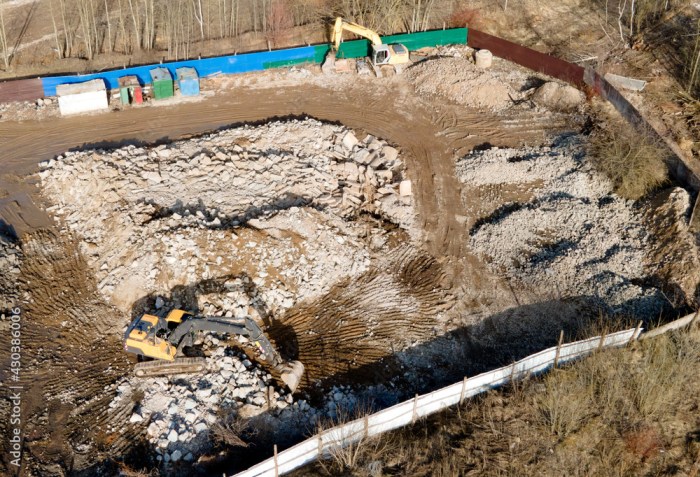
In conclusion, the reprocessing of construction debris into reusable materials is a game-changer for both the environment and the economy. By adopting sustainable practices, the construction industry can significantly reduce landfill waste while also creating new opportunities for innovation and profitability. As we look to the future, embracing these methods will be crucial in shaping a greener, more sustainable construction landscape.
FAQ Summary
What types of materials can be reprocessed from construction debris?
Common materials include wood, metals, concrete, bricks, and drywall, all of which can be recovered and reused in new construction projects.
How does reprocessing construction debris benefit the environment?
Reprocessing reduces landfill waste, conserves natural resources, and decreases pollution associated with material extraction and disposal.
Are there financial incentives for construction companies to reprocess debris?
Yes, companies may find cost savings through reduced disposal fees and potential revenue from selling reprocessed materials, along with grants for sustainable practices.
What technologies are used in the reprocessing of construction debris?
Technologies include crushing and shredding machines, automated sorting systems, and software applications designed to track material reuse.
What challenges do companies face when implementing debris reprocessing?
Challenges include initial costs, resistance to change, and the need for proper education and training on reprocessing techniques and benefits.